Caldwell Refusal to Step Down Sparks Executive and Legislative Standoff With Sherrill
Lieutenant Governor Caldwell has formally declined to vacate his office, creating an escalating political and institutional confrontation with Sherrill. The unfolding crisis centers on executive authority, legal precedent, and the governance of the state.
Choseno Civic News Desk September 25, 2026 3 min read New Jersey, US
What do you think of the people in this story? Rate them anonymously — tap a face below.
The political landscape of the state entered a period of profound uncertainty as Lieutenant Governor Caldwell officially refused calls for his resignation, thereby establishing a high-stakes constitutional standoff with Sherrill. The controversy began to intensify after mounting pressure from various political factions and executive offices urged Caldwell to step aside amid emerging disputes concerning official conduct and administrative oversight. Rather than acquiesce to the demands, Caldwell released statements through legal and administrative representatives insisting that he remains fully committed to fulfilling the remainder of his elected term. He argued that bowing to external political pressure without formal statutory cause or due process would set a dangerous precedent for the independence of separately elected constitutional officers. This resistance has effectively paralyzed standard collaborative channels between the lieutenant governor and key legislative leadership, raising urgent questions about how state governance will proceed while the impasse persists.
Legal scholars and political analysts have spent the days following the announcement dissecting the exact constitutional boundaries governing executive removals and the extent of Sherrill's leverage in this dispute. Under existing state statutes, the mechanisms for removing a sitting lieutenant governor are exceptionally narrow, typically requiring formal impeachment proceedings, criminal conviction, or undeniable proof of severe incapacitation. Because none of these explicit statutory thresholds have been officially met, Caldwell's legal team maintains that he retains absolute constitutional legitimacy to occupy the office, preside over legislative sessions, and execute his designated duties. Conversely, allies of Sherrill contend that the ongoing controversy has severely compromised the operational integrity of the executive branch, arguing that continued tenure under a cloud of intense political and ethical scrutiny is fundamentally untenable for the public trust. The debate has rapidly expanded beyond legal technicalities into a broader philosophical argument regarding accountability and the moral responsibilities attached to high state office.
The economic and administrative stakes for the state's taxpayers are substantial as the political stalemate threatens to derail upcoming budgetary negotiations and essential legislative priorities. Government watchdogs and local business coalitions have expressed mounting anxiety that the distraction of an intra-branch power struggle will paralyze crucial decision-making processes, particularly concerning infrastructure investments, taxation frameworks, and agency funding bills. State departments reliant on legislative consensus find themselves caught in the crossfire, uncertain whether routine administrative approvals will be delayed or politicized as the standoff deepens. Furthermore, the allocation of state resources toward potential litigation surrounding the removal powers could impose unexpected financial burdens on taxpayers, adding a fiscal dimension to an already volatile political crisis that shows no immediate signs of de-escalation.
Community reactions across the state reflect deep ideological divisions, with constituents organizing rallies and town halls both in support of Caldwell's defiance and in fierce opposition to his continued presence in executive leadership. Grassroots organizations aligned with Sherrill have ramped up public mobilization efforts, demanding immediate accountability and urging lawmakers to explore every available legislative remedy to compel a resignation. Meanwhile, defenders of Caldwell view the intense pressure campaign as an undemocratic maneuver engineered by political rivals attempting to circumvent the electoral process through coercion rather than the ballot box. As community leaders and civic organizations call for a return to institutional stability, the onus remains on the state's political architects to navigate this unprecedented constitutional labyrinth without causing permanent damage to public faith in local democratic institutions.
Rate the people mentioned in this article
Related Coverage in Municipal
See all Municipal newsMunicipal
US Sep 27, 2026
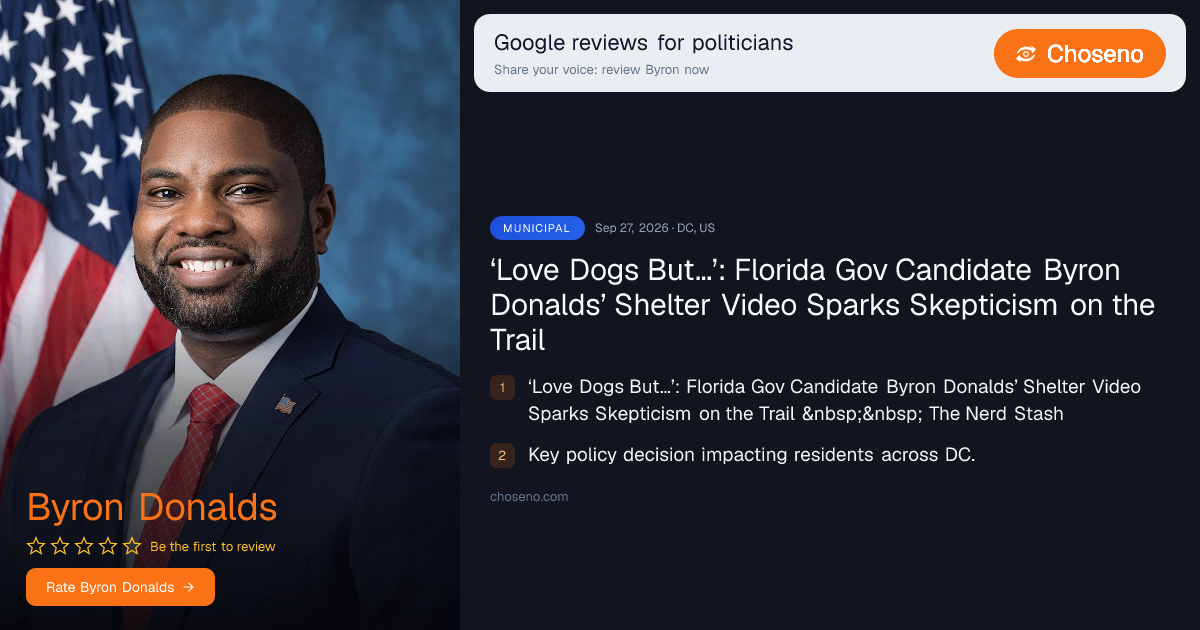
‘Love Dogs But…’: Florida Gov Candidate Byron Donalds’ Shelter Video Sparks Skepticism on the Trail
‘Love Dogs But…’: Florida Gov Candidate Byron Donalds’ Shelter Video Sparks Skepticism on the Trail The Nerd Stash
Read full article
Municipal
US Sep 27, 2026
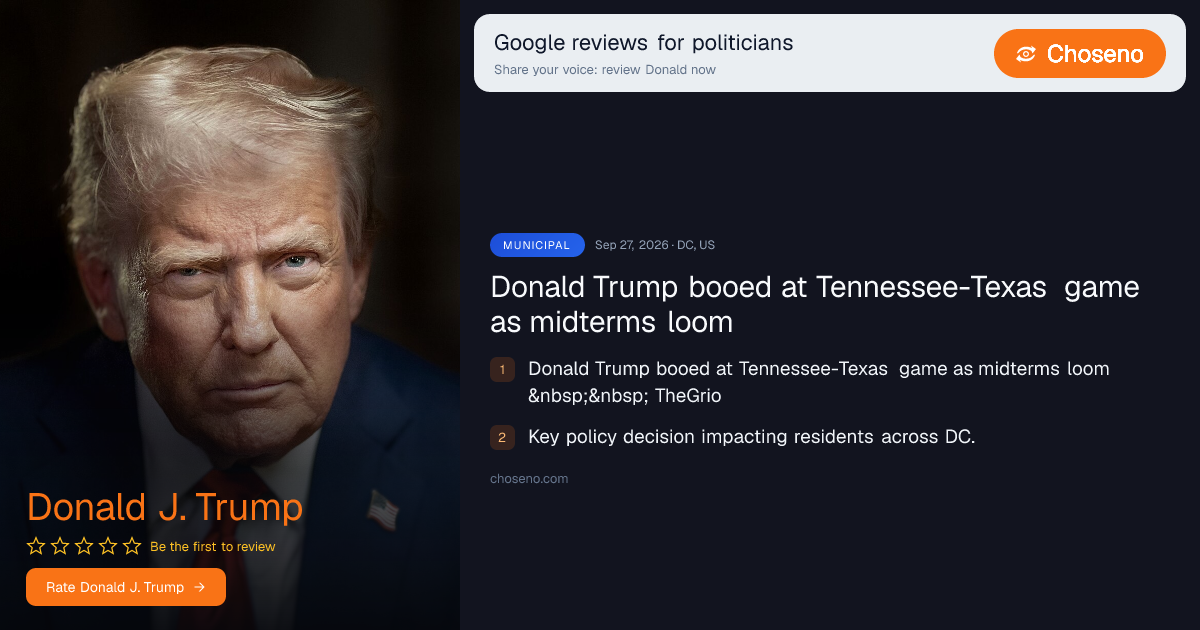
Donald Trump booed at Tennessee-Texas game as midterms loom
Donald Trump booed at Tennessee-Texas game as midterms loom TheGrio
Read full article
Municipal
US Sep 27, 2026
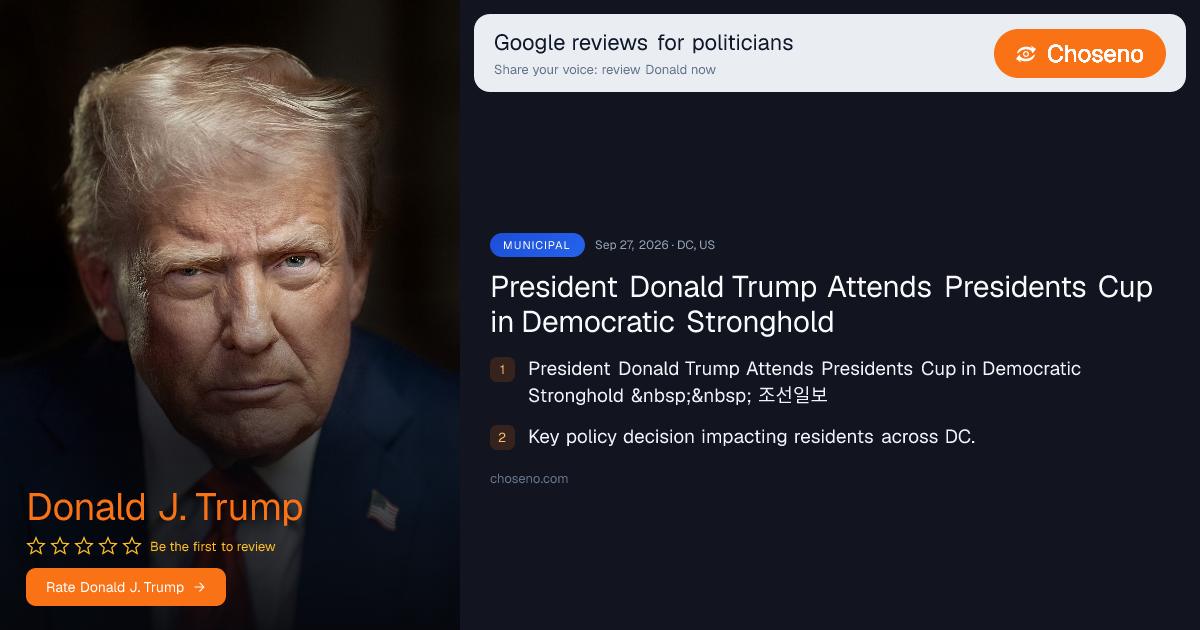
President Donald Trump Attends Presidents Cup in Democratic Stronghold
President Donald Trump Attends Presidents Cup in Democratic Stronghold 조선일보
Read full article