Governor Kathy Hochul Directs Historic Expansion of Free Pre-K to Over 400 New York School Districts
Governor Kathy Hochul announced that more than half of all public school districts statewide—exceeding 400 districts—will offer free, full-day Pre-Kindergarten this academic year, supported by record state foundation aid and early childhood investments.
Choseno Education Policy Bureau September 4, 2026 2 min read NY, US
What do you think of the people in this story? Rate them anonymously — tap a face below.
ALBANY, N.Y. — New York Governor Kathy Hochul announced a historic milestone in statewide public education, confirming that more than 400 school districts across New York State—representing over half of all public school districts statewide—are now operating free, high-quality, full-day Pre-Kindergarten programs for four-year-olds.
The widespread rollout marks a major realization of New York's multi-year statutory commitment to universal early childhood education, extending subsidized pre-kindergarten seats beyond major urban centers into suburban, rural, and upstate communities across Broome, Tioga, Chenango, Tompkins, Erie, and Westchester counties. State budget allocations for the current academic year include dedicated early education categorical grants, enabling public school districts and accredited community-based providers to hire certified early childhood instructors, modernize classroom facilities, and eliminate tuition burdens for working parents.
Speaking at an elementary school briefing alongside educators and regional superintendents, Governor Hochul underscored the compounded economic and cognitive benefits of universal early learning. Hochul noted that accessible full-day pre-K provides crucial early literacy and socialization foundations for young children while immediately easing crippling childcare costs for middle-class and low-income families, enabling parents to maintain full-time employment and enter the regional labor force.
State Senate Education Committee Chair Shelley Mayer applauded the achievement, pointing out that expanding full-day pre-K seats has been a persistent legislative priority in Albany for over a decade. Mayer stressed that sustained state foundation aid formula adjustments enacted in recent budget cycles were instrumental in helping high-need and low-wealth school districts absorb the recurring operating costs associated with early childhood staffing and classroom expansion.
School administrators and early childhood specialists emphasized that while the expansion represents unprecedented geographic coverage, ongoing operational hurdles remain. District leaders highlighted the need for competitive state reimbursement rates to prevent wage compression among community-based non-profit partners and ensure certified teacher retention in competitive regional labor markets.
The State Education Department confirmed that regional technical assistance centers are actively assisting newly enrolled districts with curriculum development and dual-language learner resources as classrooms welcome thousands of additional students for the autumn term.
Rate the people mentioned in this article


Related Coverage in Education
See all Education newsEducation
US Sep 7, 2026
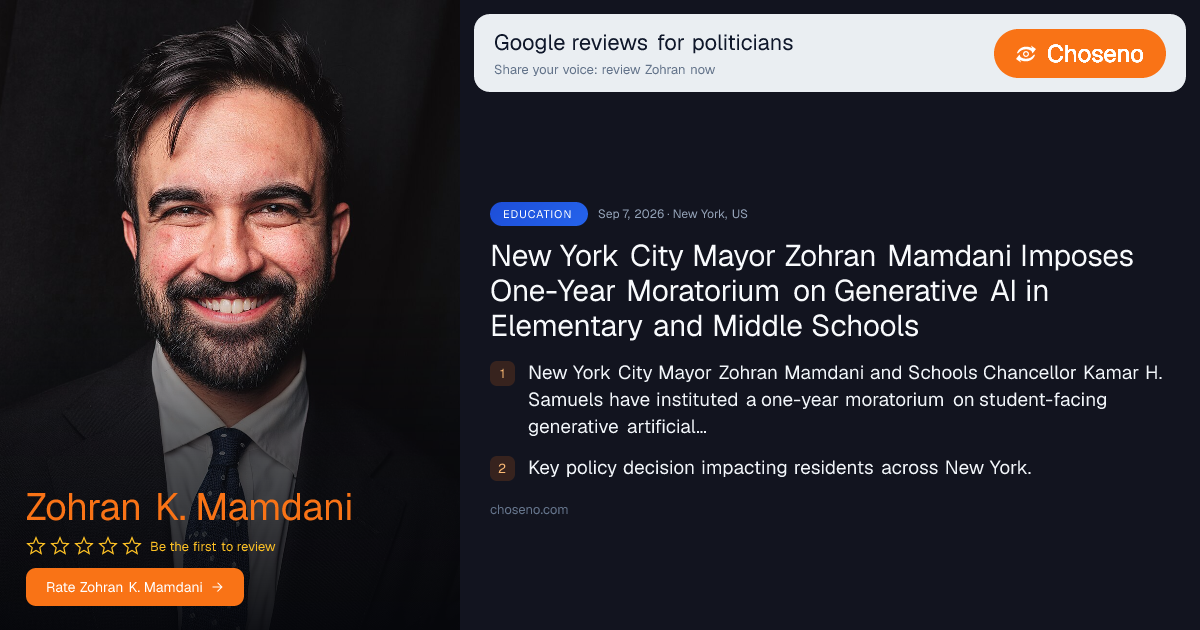
New York City Mayor Zohran Mamdani Imposes One-Year Moratorium on Generative AI in Elementary and Middle Schools
New York City Mayor Zohran Mamdani and Schools Chancellor Kamar H. Samuels have instituted a one-year moratorium on student-facing generative artificial intelligence across public schools from pre-kindergarten through eighth grade, prioritizing foundational critical thinking while testing supervised high school pilot curricula.
Read full article
Education
US Sep 4, 2026
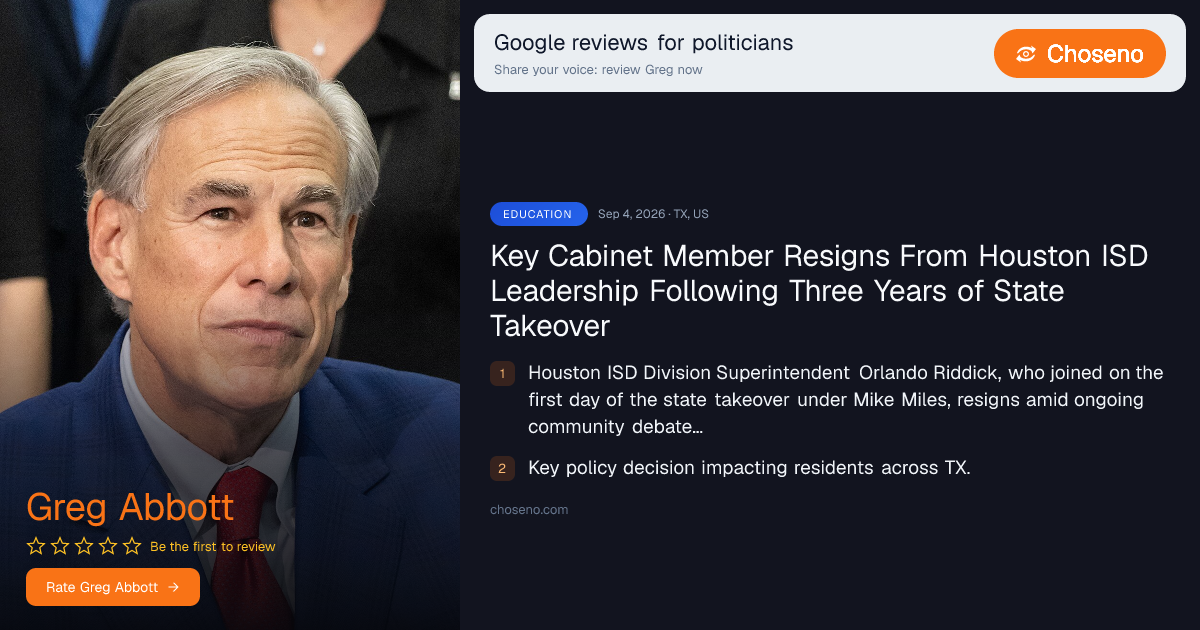
Key Cabinet Member Resigns From Houston ISD Leadership Following Three Years of State Takeover
Houston ISD Division Superintendent Orlando Riddick, who joined on the first day of the state takeover under Mike Miles, resigns amid ongoing community debate over district reforms.
Read full article
Education
US Sep 4, 2026
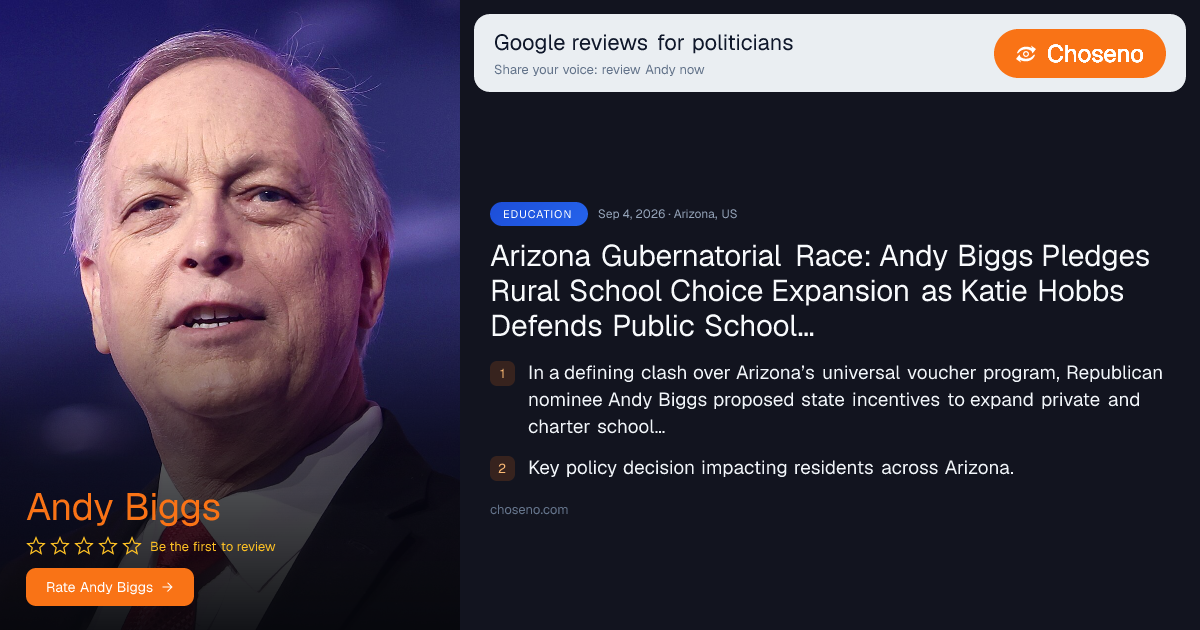
Arizona Gubernatorial Race: Andy Biggs Pledges Rural School Choice Expansion as Katie Hobbs Defends Public School Funding
In a defining clash over Arizona’s universal voucher program, Republican nominee Andy Biggs proposed state incentives to expand private and charter school access in rural areas, drawing sharp contrasts with Governor Katie Hobbs’s push to curb ESA spending.
Read full article