New Jersey Executive Branch Plunges Into Crisis Following Resignation Demand Over Misconduct Findings
The New Jersey governor has demanded the immediate resignation of her second-in-command following substantiated findings of severe ethics violations and sexual harassment. The sudden political departure triggers intense scrutiny regarding internal administrative oversight and accountability within the state government.
Choseno Civic News Desk September 26, 2026 3 min read New Jersey, US
The political landscape of New Jersey experienced a profound administrative earthquake after the state governor formally requested the immediate resignation of her lieutenant governor, who served as her principal second-in-command, following the conclusion of an exhaustive internal probe that uncovered severe ethical breaches and multiple substantiated counts of sexual harassment. According to comprehensive reports from investigative outlets including WHEC, the executive branch moved swiftly to distance itself from the high-ranking official once the independent investigative findings landed on the governor's desk, detailing a pattern of workplace misconduct that violated both state ethics statutes and zero-tolerance workplace policies. The administration emphasized through high-ranking staff briefings that the behavior detailed in the dossier fell entirely outside acceptable standards for public servants, prompting the decisive ultimatum that led directly to the demand for the deputy executive's immediate exit from public office.
From a statutory and administrative perspective, this high-profile departure exposes critical vulnerabilities within the vetting processes and internal compliance mechanisms that govern New Jersey executive appointments. Government watchdogs and ethics reform advocates have seized upon the developing scandal to demand sweeping legislative overhauls concerning how harassment claims within state agencies and executive offices are handled, tracked, and adjudicated. Under current New Jersey state law, complaints lodged against high-ranking constitutional officers often encounter complex bureaucratic hurdles, frequently lacking the transparent reporting channels required to protect subordinate employees from potential retaliation. Civic policy groups underscored that the rapid fall of the second-in-command demonstrates an urgent need for independent oversight bodies equipped with subpoena power to investigate executive branch infractions without risking political interference or institutional cover-ups.
The taxpayer stakes and broader economic repercussions associated with this executive crisis are substantial, as prolonged political instability often impedes the legislative momentum required to pass critical fiscal packages, infrastructure investments, and municipal aid bills. State legislators from both major political parties have expressed deep concern that the distraction caused by the high-level resignation could paralyze ongoing negotiations regarding property tax relief and state budget allocations scheduled for the upcoming legislative session. Fiscal analysts pointed out that administrative turnover at the highest levels of state government invariably incurs tangible financial costs, ranging from severance liabilities and specialized legal representation fees to the potential disruption of federally funded programs managed under the purview of the lieutenant governor's office.
Public reaction across New Jersey communities has been characterized by a mixture of profound cynicism and renewed demands for structural accountability, with civic organizations hosting town hall meetings to discuss the restoration of institutional integrity. Local constituents voiced immense frustration over recurring ethical scandals involving high-profile public figures, arguing that such behavior erodes the foundational trust necessary for effective democratic governance. As the administration works to stabilize the executive branch and outline a transparent timeline for appointing a successor, community leaders and Good Government groups continue to press for enforceable preventive measures. These proposed safeguards include mandatory, independent third-party harassment training for all elected officials and executive appointees, alongside stricter financial and behavioral disclosures designed to prevent similar crises from undermining public faith in New Jersey public institutions.
Related Coverage in Municipal
See all Municipal newsMunicipal
US Sep 27, 2026
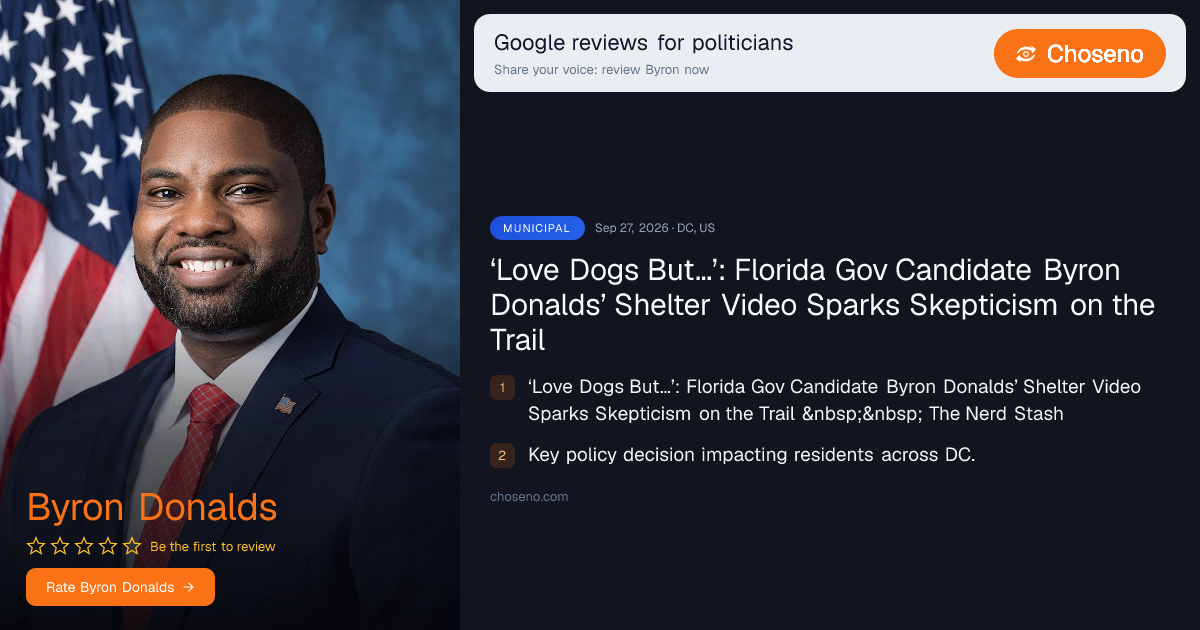
‘Love Dogs But…’: Florida Gov Candidate Byron Donalds’ Shelter Video Sparks Skepticism on the Trail
‘Love Dogs But…’: Florida Gov Candidate Byron Donalds’ Shelter Video Sparks Skepticism on the Trail The Nerd Stash
Read full article
Municipal
US Sep 27, 2026
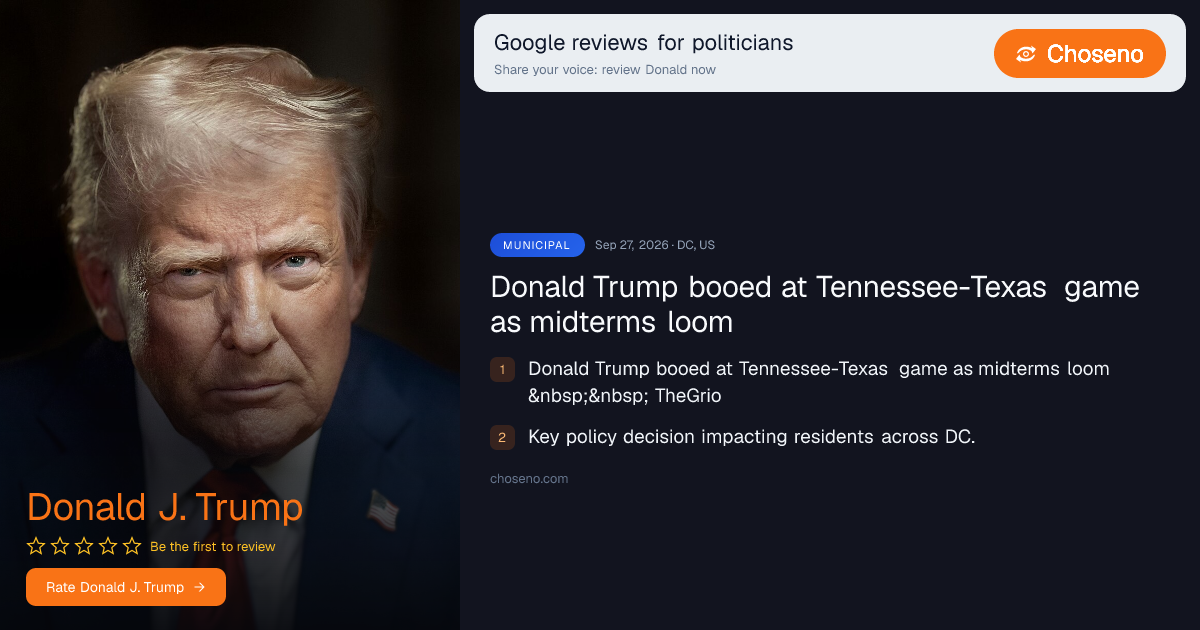
Donald Trump booed at Tennessee-Texas game as midterms loom
Donald Trump booed at Tennessee-Texas game as midterms loom TheGrio
Read full article
Municipal
US Sep 27, 2026
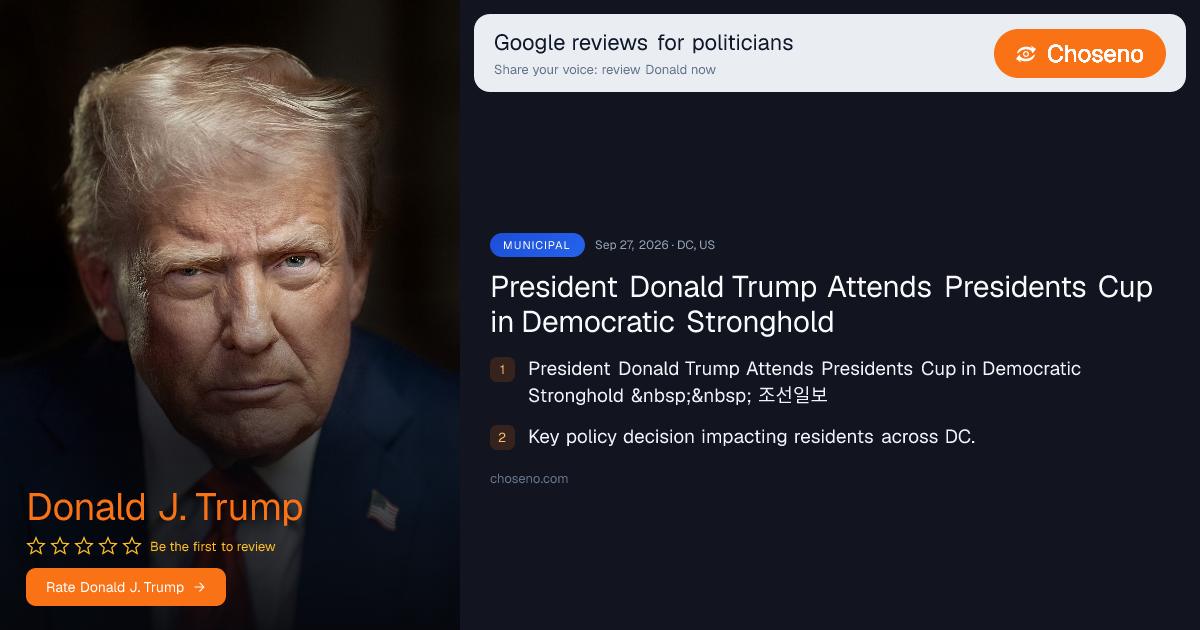
President Donald Trump Attends Presidents Cup in Democratic Stronghold
President Donald Trump Attends Presidents Cup in Democratic Stronghold 조선일보
Read full article