New Jersey Executive Branch Plunges Into Turmoil Following Impropriety Findings Against Second-in-Command
The Governor of New Jersey has formally requested the resignation of Lieutenant Governor Dale Caldwell following the release of a damning internal misconduct investigation. This unfolding political crisis threatens to destabilize state governance, raising urgent questions regarding executive oversight, institutional integrity, and taxpayer accountability.
Choseno Civic News Desk September 25, 2026 3 min read Montana, US
The political landscape of New Jersey experienced a profound shockwave when the state's chief executive publicly demanded the immediate resignation of Lieutenant Governor Dale Caldwell. This decisive executive action followed the culmination of a rigorous misconduct inquiry that substantiated allegations of improper behavior within the upper echelons of state administration. State officials and independent investigators scrutinized the conduct of the second-in-command, ultimately concluding that the reported actions violated the ethical standards required of high-ranking public servants. Rather than attempting a defense or downplaying the findings, the governor emphasized that maintaining public trust must take precedence over political loyalty or administrative continuity. The release of the misconduct report galvanized immediate calls for accountability across the political spectrum, as civil watchdogs and legislative leaders weighed the broader implications for executive branch operations and public service ethics throughout the garden state.
In the wake of the resignation demand, legal and legislative analysts began examining the intricate statutory mechanisms governing gubernatorial vacancies and executive disciplinary procedures under New Jersey law. The state constitution outlines specific protocols for addressing executive misconduct, yet incidents involving a sitting lieutenant governor navigating substantiated behavioral breaches present complex administrative hurdles. Legislative committees signaled their intention to review the findings thoroughly, aiming to determine whether additional statutory reforms or enhanced oversight measures are necessary to prevent similar ethical lapses in the future. Good-government organizations and taxpayer advocacy groups voiced deep concern over the disruption, pointing out that executive branch instability invariably diverts critical focus and public resources away from pressing legislative priorities, fiscal management, and essential constituent services.
Beyond the immediate institutional ramifications, the scandal carries significant financial and administrative stakes for New Jersey taxpayers who fund the operations of the lieutenant governor office. The unfolding controversy has intensified debates surrounding transparency, accountability, and the screening processes utilized for gubernatorial running mates and gubernatorial appointees. Observers noted that public confidence in state institutions frequently suffers when high-profile figures face credible accusations of misconduct, potentially eroding voter participation and civic engagement in upcoming electoral cycles. Community leaders and grassroots organizations across the state expressed frustration, arguing that elected officials must be held to the highest possible standards of personal and professional conduct. As the political fallout continues to develop, attention remains firmly fixed on whether Lieutenant Governor Caldwell will comply with the resignation request or choose a protracted administrative battle that could further paralyze executive branch functions.
The broader public debate highlights deep divisions regarding accountability mechanisms within state government, with critics arguing that existing ethics commissions lack sufficient teeth to deter misconduct proactively. Editorial boards and civic coalitions have seized the moment to demand comprehensive overhauls of internal reporting channels, ensuring that subordinate employees who report workplace harassment or ethical violations are fully protected from retaliation. Meanwhile, members of the governor administration are working behind the scenes to manage the transition and maintain operational stability across state departments previously overseen by the lieutenant governor. As New Jersey navigates this unprecedented executive crisis, the ultimate resolution will likely serve as a crucial benchmark for political ethics, executive oversight, and governance standards across the state for years to come.
Rate the people mentioned in this article
Related Coverage in Municipal
See all Municipal newsMunicipal
US Sep 27, 2026
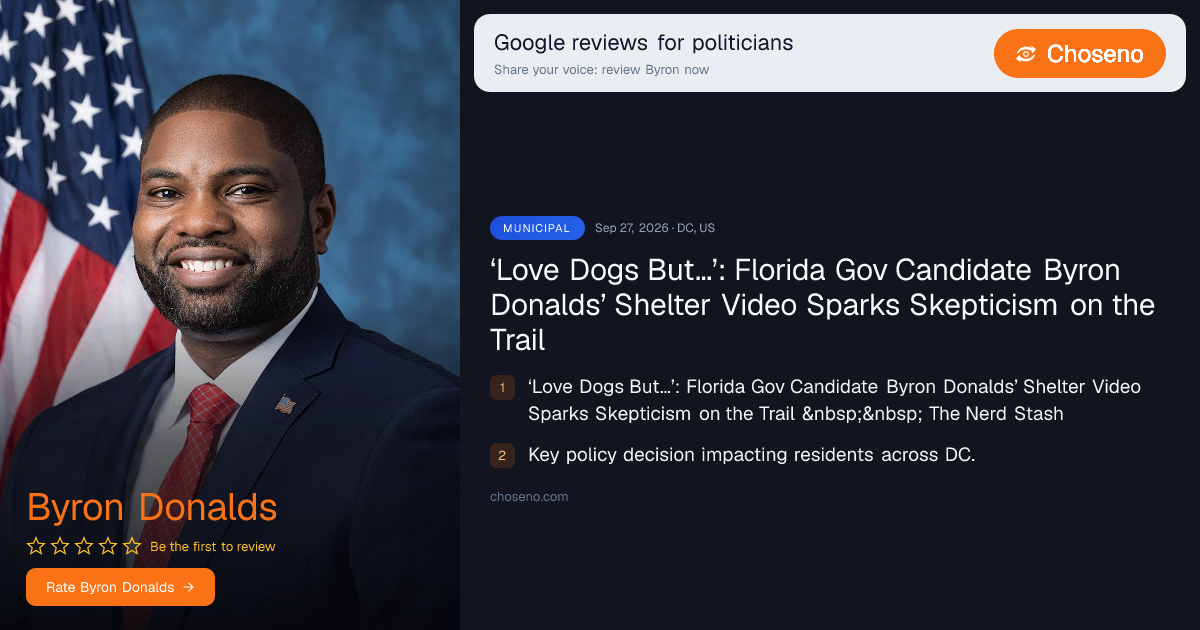
‘Love Dogs But…’: Florida Gov Candidate Byron Donalds’ Shelter Video Sparks Skepticism on the Trail
‘Love Dogs But…’: Florida Gov Candidate Byron Donalds’ Shelter Video Sparks Skepticism on the Trail The Nerd Stash
Read full article
Municipal
US Sep 27, 2026
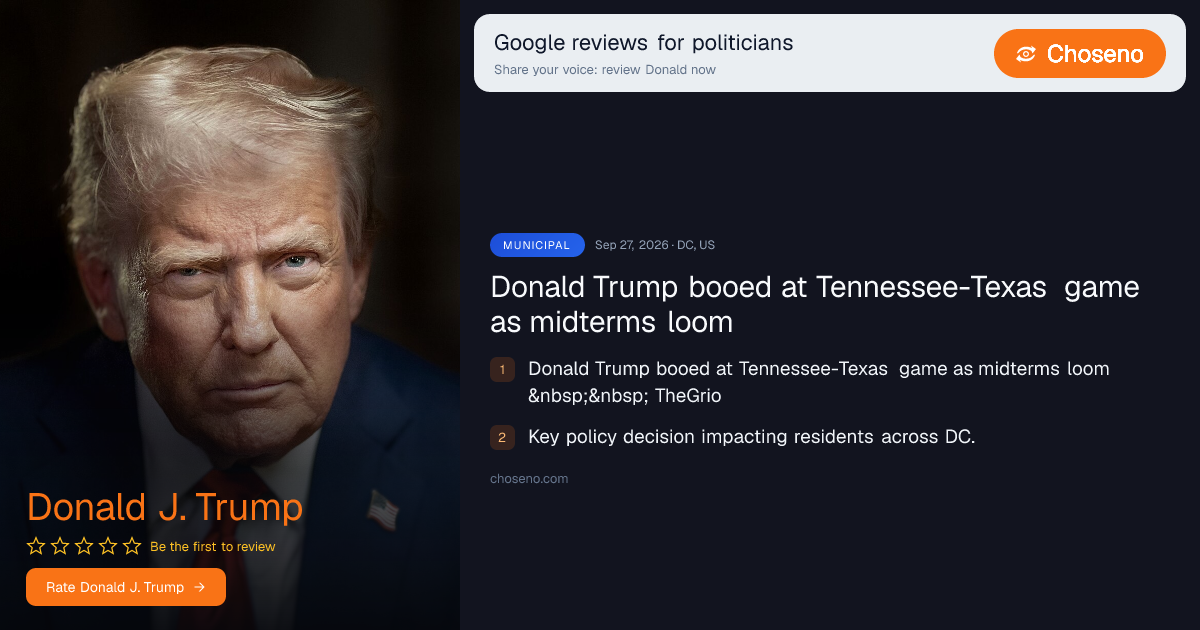
Donald Trump booed at Tennessee-Texas game as midterms loom
Donald Trump booed at Tennessee-Texas game as midterms loom TheGrio
Read full article
Municipal
US Sep 27, 2026
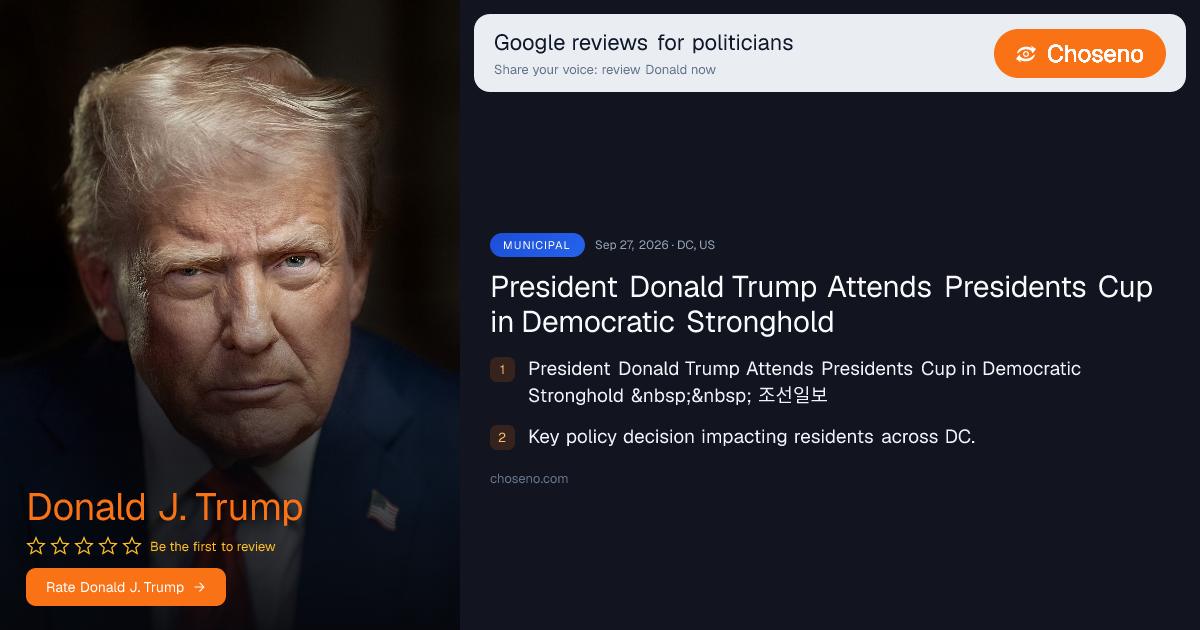
President Donald Trump Attends Presidents Cup in Democratic Stronghold
President Donald Trump Attends Presidents Cup in Democratic Stronghold 조선일보
Read full article