New Jersey Executive Crisis Intensifies as Governor Demands Lieutenant Governor Resignation Following Misconduct Findings
New Jersey Governor has formally requested the resignation of Lieutenant Governor Dale Caldwell following the release of a damning report detailing professional misconduct. The development has triggered a significant political crisis within the state administration, raising urgent questions regarding executive accountability and the integrity of the gubernatorial office.
Choseno Civic News Desk September 27, 2026 3 min read New Jersey, US
The political landscape in New Jersey has shifted dramatically following the public release of an investigative report that has prompted the Governor to demand the immediate resignation of Lieutenant Governor Dale Caldwell. This executive action follows a comprehensive review of allegations concerning professional misconduct, which has cast a shadow over the current administration. The Governor stated that the findings contained within the report were incompatible with the standards expected of high-ranking public officials, suggesting that the continued presence of the Lieutenant Governor in his current capacity would undermine the public trust necessary for effective governance. By calling for this departure, the administration is attempting to distance itself from the controversy while navigating the complex legal and political implications of removing a constitutional officer who was elected to serve alongside the chief executive. The situation remains fluid as observers wait to see if the Lieutenant Governor will comply with the request or if the state will be forced to pursue more formal removal proceedings under existing statutory frameworks.
At the heart of this controversy lies the question of executive accountability and the specific nature of the misconduct identified by the investigative body. While the full details of the report have been subject to intense scrutiny, the core of the issue involves allegations that the Lieutenant Governor failed to uphold the ethical obligations inherent in his office. The Governor emphasized that the integrity of the executive branch is paramount and that any deviation from established codes of conduct necessitates decisive action to preserve the credibility of state institutions. This incident has reignited broader discussions regarding the vetting processes for statewide candidates and the mechanisms available for oversight when those in power are accused of violating the public trust. The administration is now tasked with managing the fallout of these revelations, which have already begun to influence the legislative agenda and the public perception of the executive branch as it approaches upcoming policy milestones.
From a taxpayer perspective, the scandal carries significant weight, as the resources dedicated to the investigation and the subsequent political maneuvering represent a diversion from the state’s primary legislative priorities. Citizens and advocacy groups have expressed concern over the potential for this internal conflict to paralyze administrative functions, particularly at a time when the state is grappling with complex economic challenges and infrastructure demands. The financial implications of a leadership vacuum, combined with the costs associated with potential legal challenges or transition efforts, have prompted calls for greater transparency regarding how the state handles misconduct allegations involving high-level officials. Taxpayers are increasingly demanding that the administration provide a clear roadmap for how it intends to restore stability and ensure that public funds are being managed by individuals who adhere to the highest ethical standards, regardless of their political standing or tenure.
Community leaders and political analysts are currently debating the long-term impact of this resignation demand on the state’s political future. Some argue that the Governor’s swift response is a necessary step toward accountability, while others suggest that the situation highlights deeper systemic issues within the state’s political culture. The debate has extended to the halls of the legislature, where members of both parties are assessing the implications of the report for their own political agendas. As the administration works to address the vacancy and the underlying issues of misconduct, the focus remains on whether this event will lead to meaningful reform or if it will simply be viewed as a temporary disruption in the state’s political cycle. The outcome of this crisis will likely serve as a benchmark for how New Jersey handles executive misconduct in the future, setting a precedent for the balance of power and the enforcement of ethical standards within the state government.
Rate the people mentioned in this article
Related Coverage in Municipal
See all Municipal newsMunicipal
US Sep 27, 2026
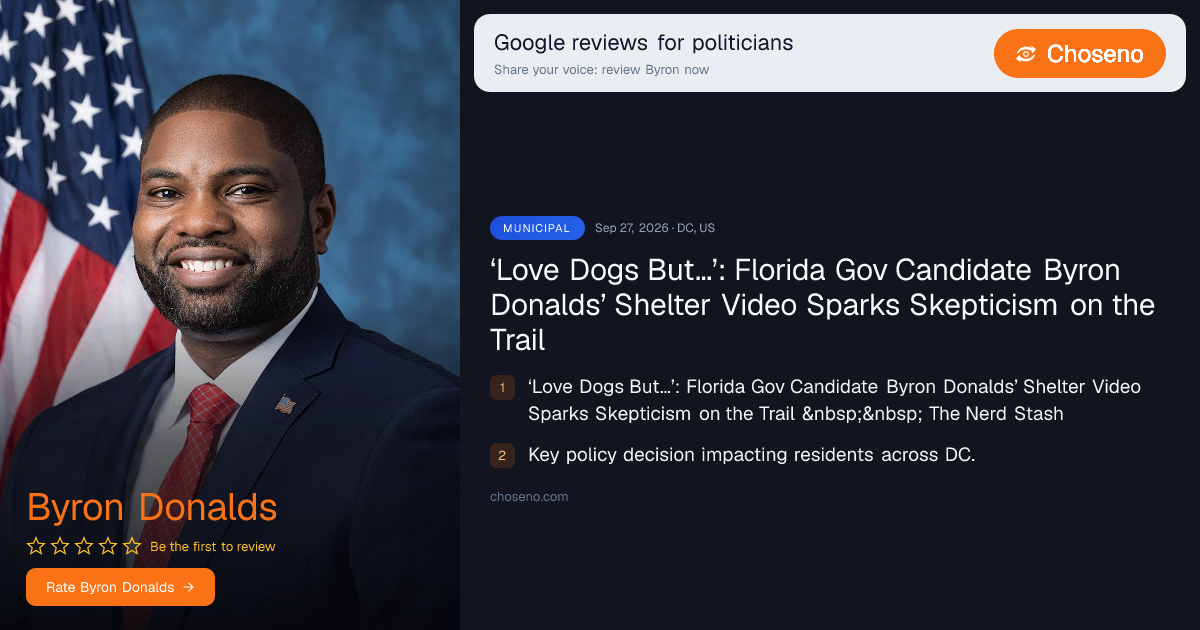
‘Love Dogs But…’: Florida Gov Candidate Byron Donalds’ Shelter Video Sparks Skepticism on the Trail
‘Love Dogs But…’: Florida Gov Candidate Byron Donalds’ Shelter Video Sparks Skepticism on the Trail The Nerd Stash
Read full article
Municipal
US Sep 27, 2026
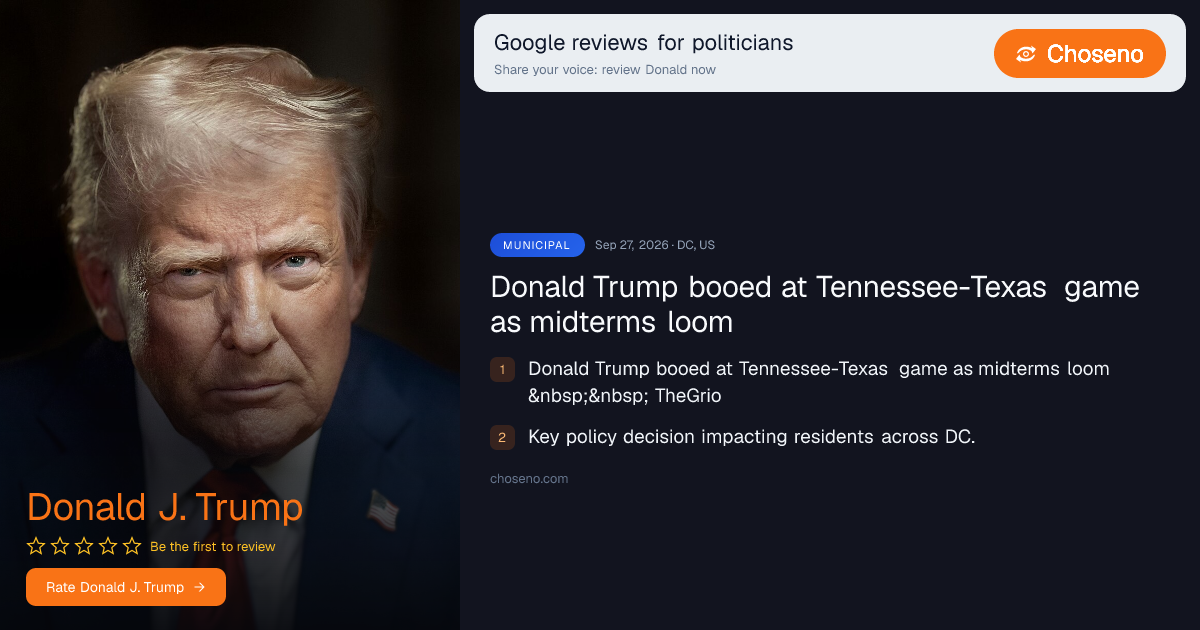
Donald Trump booed at Tennessee-Texas game as midterms loom
Donald Trump booed at Tennessee-Texas game as midterms loom TheGrio
Read full article
Municipal
US Sep 27, 2026
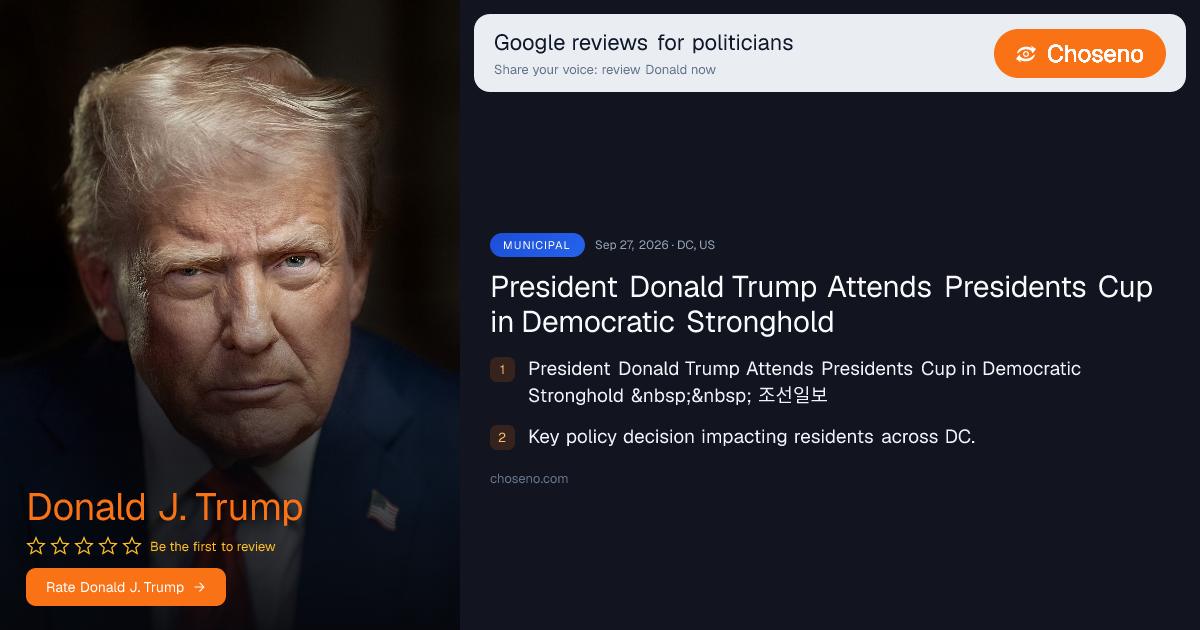
President Donald Trump Attends Presidents Cup in Democratic Stronghold
President Donald Trump Attends Presidents Cup in Democratic Stronghold 조선일보
Read full article