Prime Minister Mark Carney Releases $12 Billion Retaliatory Tariff List on U.S. Goods Starting September 8
Prime Minister Mark Carney and Finance Minister Chrystia Freeland publish formal 25% retaliatory tariff schedules covering $12 billion in U.S. steel, aluminum, manufactured consumer goods, and agricultural products.
Choseno International Trade & Macroeconomic Policy Bureau August 24, 2026Updated August 29, 2026 3 min read ON, CA
What do you think of the people in this story? Rate them anonymously — tap a face below.
OTTAWA, ON — Standing alongside provincial premiers and federal cabinet ministers on Parliament Hill, Prime Minister Mark Carney announced the release of Canada’s finalized retaliatory trade tariff schedule on Monday, imposing a 25% surtax on $12 billion worth of United States steel, aluminum, manufactured commercial goods, and agricultural products, taking formal legal effect on September 8, 2026.
The decisive trade countermeasures represent Canada’s official response under the Customs Tariff Act following the unilateral breakdown of cross-border trade negotiations and the imposition of punitive 50% tariffs by the United States administration on Canadian lumber, steel, and manufactured aerospace components. The Canadian retaliatory tariff list was developed following an extensive 30-day public consultation with Canadian domestic manufacturers, trade unions, and agricultural producers to ensure maximum economic impact on politically sensitive U.S. export sectors while minimizing cost disruptions for Canadian businesses and consumers.
Comprehensive Surtax Coverage on U.S. Industrial and Agricultural Exports
The 25% Canadian retaliatory surtaxes apply to a targeted range of American manufactured products originating from key U.S. manufacturing and agricultural states. The tariff schedule covers:
- U.S. Steel and Aluminum Products ($4.5 Billion): Flat-rolled steel coils, stainless steel pipes, structural beams, and unwrought aluminum alloys from Pennsylvania, Ohio, and Indiana.
- Commercial and Consumer Manufactured Goods ($4.2 Billion): Commercial HVAC units, power lawnmowers, household appliances, recreational motorboats, and industrial packaging equipment from Wisconsin, Michigan, and North Carolina.
- Agricultural and Food Products ($3.3 Billion): Bourbon whiskey, packaged pork, prepared orange juice, dairy specialty items, and processed poultry from Kentucky, Iowa, and Florida.
Under federal cabinet regulations, all tariff revenues collected by the Canada Border Services Agency (CBSA) will be deposited into a dedicated Domestic Industrial Support and Worker Defense Fund, providing low-interest working capital loans, tariff remission assistance, and wage stabilization subsidies to trade-exposed Canadian factories and supply chain workers.
"Canada did not seek this trade conflict, but we will never back down when Canadian workers, businesses, and economic sovereignty are threatened by unfair and unjustified trade penalties," Prime Minister Carney declared in a stern national address. "Our retaliatory measures are measured, perfectly reciprocal, and designed to defend our domestic industries until the United States returns to rules-based international trade under our bilateral agreements."
Cross-Party Provincial Premiers and Canadian Manufacturers United
The federal retaliatory tariff package received unanimous, cross-partisan endorsement from provincial premiers across Canada, presenting a unified national front.
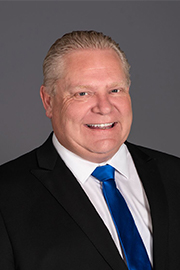
"Ontario stands shoulder-to-shoulder with the federal government and our fellow provinces in defending Canadian workers and manufacturers against these unjustified trade actions," said Ontario Premier Doug Ford. "We are working with our manufacturing supply chains to ensure Ontario businesses have the emergency bridge financing and domestic supply lines they need to stay strong."
Canadian Manufacturers & Exporters (CME) and the Canadian Labour Congress (CLC) strongly praised the government's tariff defense framework, highlighting the importance of the worker support fund in protecting domestic manufacturing jobs.
Border Enforcement and Remission Process
The Canada Border Services Agency will begin collecting the 25% surtax at all commercial border crossings and deepwater marine container terminals beginning at 12:01 AM EDT on September 8, 2026. The Department of Finance published guidelines for Canadian businesses to apply for targeted tariff remissions for specialized manufacturing components that cannot be sourced domestically.
Rate the people mentioned in this article


Related Coverage in Economy
See all Economy newsEconomy
US Sep 8, 2026
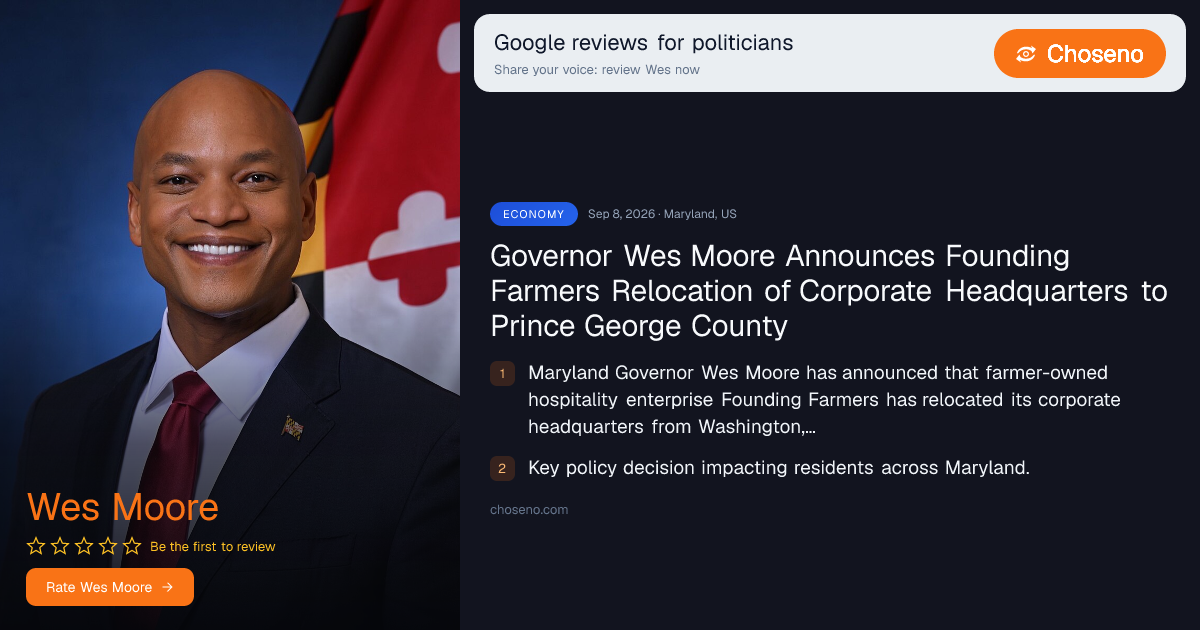
Governor Wes Moore Announces Founding Farmers Relocation of Corporate Headquarters to Prince George County
Maryland Governor Wes Moore has announced that farmer-owned hospitality enterprise Founding Farmers has relocated its corporate headquarters from Washington, D.C. to District Heights in Prince George County, establishing an operational hub supported by state and county economic development loans that will generate over ninety full-time positions.
Read full article
Economy
CA Sep 3, 2026
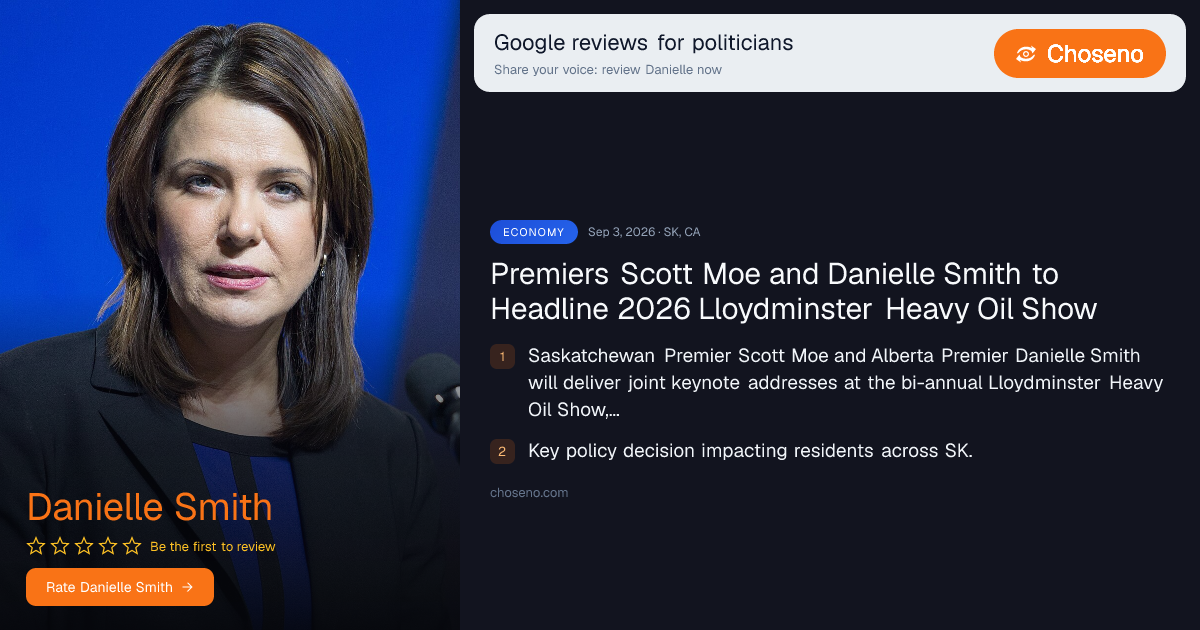
Premiers Scott Moe and Danielle Smith to Headline 2026 Lloydminster Heavy Oil Show
Saskatchewan Premier Scott Moe and Alberta Premier Danielle Smith will deliver joint keynote addresses at the bi-annual Lloydminster Heavy Oil Show, championing interprovincial energy integration, carbon capture investments, and Western Canadian resource sovereignty.
Read full article
Economy
CA Sep 3, 2026
Skeena MLA Claire Rattée Warns Regulatory Ambiguity and Permitting Delays Are Stalling Northern B.C. Investment
Skeena MLA Claire Rattée has raised alarms over capital flight across northwestern British Columbia, warning that shifting provincial regulatory regimes and multi-year environmental permitting delays are undermining critical mineral, forestry, and energy development from Terrace to Kitimat.
Read full article