Siena Research Institute Poll Places Incumbent Governor Kathy Hochul Ahead of Challenger Bruce Blakeman in Early Electoral Matchup
A newly released Siena College Research Institute poll indicates that incumbent New York Governor Kathy Hochul holds a ten-point lead over Republican challenger Bruce Blakeman among likely voters ahead of the upcoming gubernatorial election. The comprehensive survey underscores ongoing political dynamics across the state, highlighting key voter divides on taxation, regional governance, and economic priorities.
Choseno Civic News Desk September 26, 2026 3 min read New York, US
What do you think of the people in this story? Rate them anonymously — tap a face below.
As the race for the New York State executive office enters its critical autumn phase, comprehensive polling data released by the Siena College Research Institute reveals that incumbent Democratic Governor Kathy Hochul maintains a 49 percent to 39 percent lead over her Republican challenger, Nassau County Executive Bruce Blakeman, among likely voters statewide. Political analysts examining the survey metrics note that while the ten-point margin grants the sitting governor a notable advantage as campaigns ramp up across the state's diverse media markets, the remaining uncommitted electorate and localized regional disparities continue to introduce significant variables into the broader electoral landscape. The foundational data compiled by Siena pollsters highlights traditional partisan alignments while simultaneously capturing shifting voter sentiments concerning the state's overarching policy trajectory, particularly regarding fiscal management, public safety initiatives, and cost-of-living pressures that consistently rank at the forefront of voter concerns.
Delving into the underlying demographic and geographic cross-tabs of the survey reveals distinct ideological fractures between New York City's dense urban centers and the suburban and rural counties that surround the metropolitan hub. Governor Hochul continues to command robust support within the five boroughs, leveraging strong base turnout projections and traditional Democratic advantages in voter registration statistics. Conversely, challenger Bruce Blakeman draws considerable strength from suburban communities on Long Island and in the Hudson Valley, where local executive governance records frequently emphasize property tax concerns, economic competitiveness, and law enforcement support. Campaign strategists from both political camps have signaled that the ultimate outcome of the gubernatorial contest will heavily depend on voter mobilization strategies in these closely contested suburban battlegrounds, where independent voters often tip the scales in statewide electoral contests.
The broader economic and statutory context framing this electoral matchup centers heavily on the ongoing debate over state taxation, business regulation, and the distribution of state aid to local municipalities. Business advocacy groups and taxpayer associations have closely monitored policy proposals emanating from both the executive chamber and county-level administrations, debating the long-term sustainability of current state spending levels versus targeted relief for middle-class families. Governor Hochul's campaign has consistently pointed to ongoing investments in infrastructure, public transit modernization, and targeted tax credits as proof of effective stewardship of the state treasury. Meanwhile, challenger Blakeman has utilized his executive platform in Nassau County to argue for structural tax reforms, arguing that excessive state mandates and regulatory burdens continue to drive residents and corporations toward neighboring jurisdictions with more business-friendly fiscal environments.
Community debates surrounding public safety, housing development, and educational funding have further galvanized voter engagement across New York, serving as central thematic battlegrounds in the ongoing debates between the candidates. Stakeholders from various civic organizations and municipal unions have expressed keen interest in how future executive leadership will address persistent housing affordability crises and manage state-level interventions in local zoning and law enforcement policies. As the election cycle progresses toward the final weeks of voting, political observers anticipate that both campaigns will intensify their television advertising expenditures and grassroots outreach efforts to address undecided demographics. Independent polling analysts caution that while the current snapshot provided by the Siena survey indicates a stable lead for the incumbent, shifting economic indicators and unforeseen geopolitical or domestic developments could alter voter intentions rapidly before ballots are officially cast in November.
Rate the people mentioned in this article


Related Coverage in Municipal
See all Municipal newsMunicipal
US Sep 27, 2026
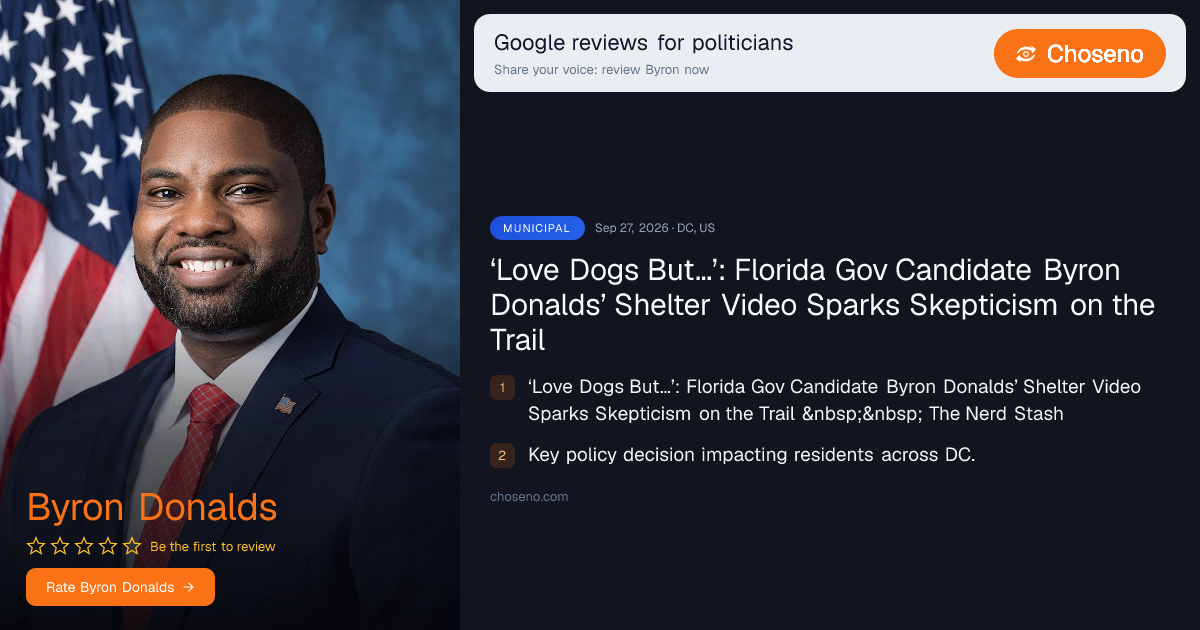
‘Love Dogs But…’: Florida Gov Candidate Byron Donalds’ Shelter Video Sparks Skepticism on the Trail
‘Love Dogs But…’: Florida Gov Candidate Byron Donalds’ Shelter Video Sparks Skepticism on the Trail The Nerd Stash
Read full article
Municipal
US Sep 27, 2026
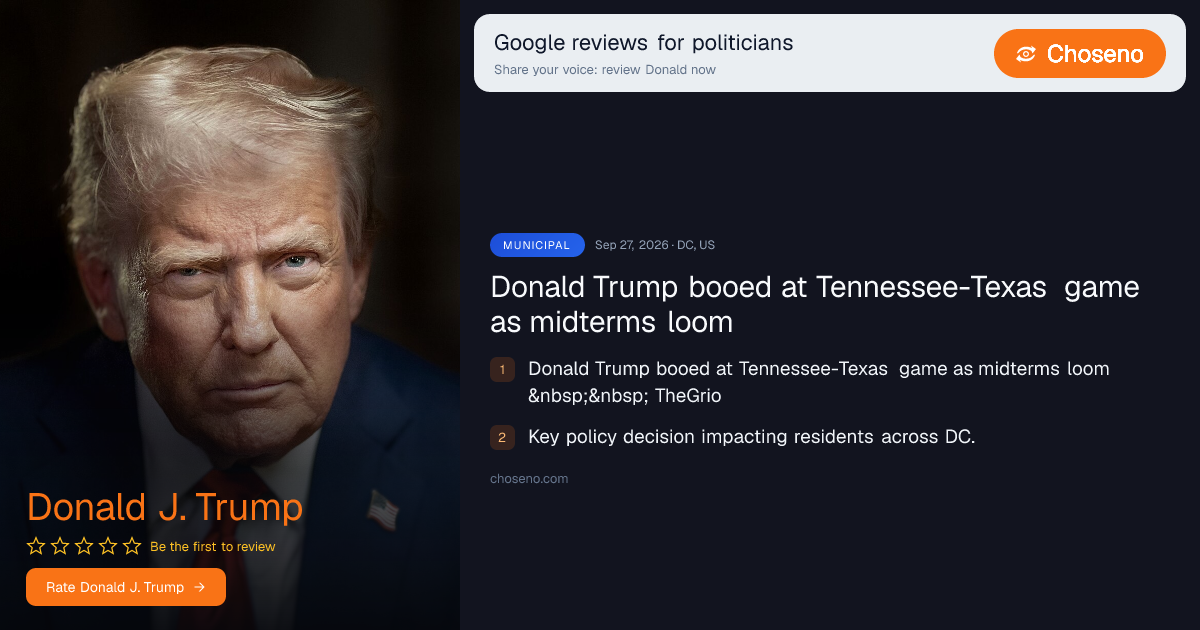
Donald Trump booed at Tennessee-Texas game as midterms loom
Donald Trump booed at Tennessee-Texas game as midterms loom TheGrio
Read full article
Municipal
US Sep 27, 2026
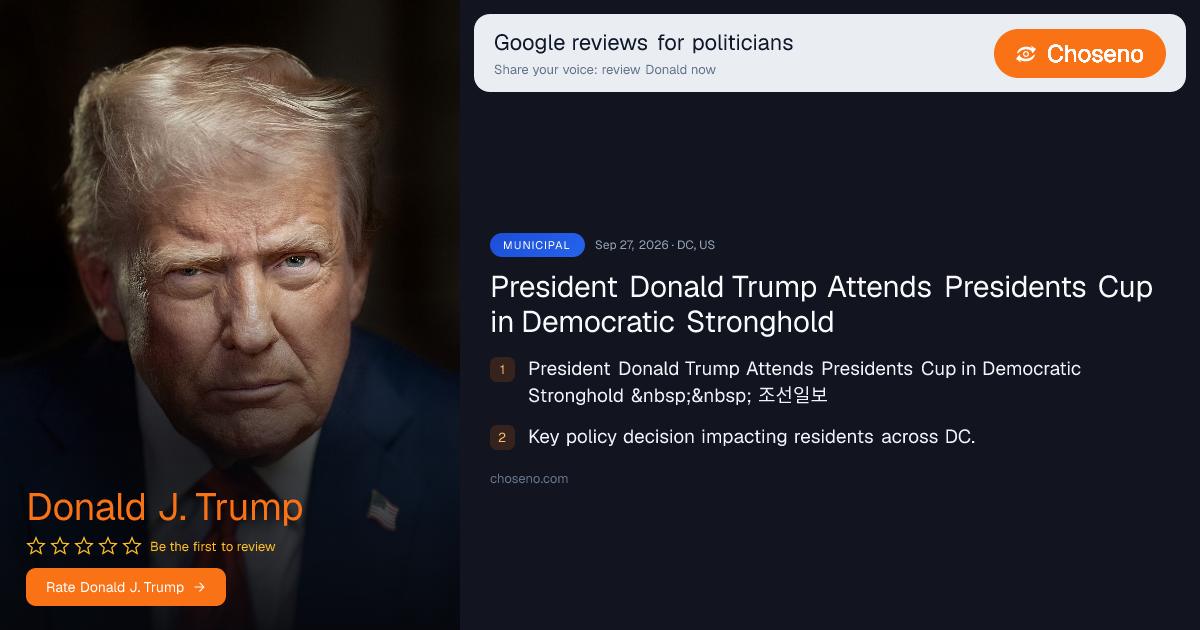
President Donald Trump Attends Presidents Cup in Democratic Stronghold
President Donald Trump Attends Presidents Cup in Democratic Stronghold 조선일보
Read full article