Siena Research Institute Survey Places Governor Hochul Ahead of Challenger Blakeman in New York Electoral Landscape
A comprehensive Siena College poll surveying likely New York voters ahead of the gubernatorial contest indicates that incumbent Governor Kathy Hochul leads challenger Bruce Blakeman by ten percentage points. The survey examines broader voter sentiment regarding state leadership, regional economic policies, and governance priorities across the state.
Choseno Civic News Desk September 26, 2026 2 min read New York, US
What do you think of the people in this story? Rate them anonymously — tap a face below.
As the electoral landscape in New York State continues to take shape, a newly released survey from the Siena Research Institute provides a detailed numerical snapshot of voter intentions for the upcoming gubernatorial contest, placing incumbent Democratic Governor Kathy Hochul ahead of Republican challenger Bruce Blakeman. According to the findings derived from likely voters across the state, Governor Hochul currently commands forty-nine percent of voter support, while Nassau County Executive Bruce Blakeman secures thirty-nine percent, leaving a notable portion of the electorate undecided or leaning toward alternative candidates as the campaign season accelerates. Political analysts reviewing the statewide numbers note that while the double-digit margin reflects a solid foundation for the incumbent administration, the remaining undecided voters will form the critical battleground as both campaigns ramp up their messaging on fiscal stewardship, public safety, and state taxation. The demographic breakdown of the poll underscores familiar geographical divides within New York, where traditional urban strongholds heavily favor the Democratic platform, whereas suburban and rural communities lean significantly toward the Republican challenger, mirroring long-standing voting patterns that consistently dictate statewide electoral outcomes in the Empire State.
Delving deeper into the policy concerns driving voter decision-making, the Siena poll highlights persistent anxieties surrounding the cost of living, property taxes, and regional economic competitiveness, which remain at the forefront of public consciousness for New York taxpayers. Representatives for the gubernatorial campaigns have already begun interpreting these economic indicators to bolster their respective platforms, with the incumbent administration pointing to ongoing investments in infrastructure, job creation initiatives, and targeted tax relief measures as proof of steady leadership during a transitional economic period. Conversely, the challenger's camp argues that current fiscal policies place an undue burden on middle-class families and small business owners, advocating instead for comprehensive spending reductions, regulatory relief, and structural reforms to curb outmigration to lower-tax states. Civic organizations and non-partisan watchdogs tracking the debate emphasize that voters are increasingly demanding transparent accountability regarding how state revenues are allocated, particularly concerning mass transit funding, educational investments, and municipal aid packages that directly impact local property tax levies across downstate and upstate communities alike.
Beyond fiscal policy, the survey touches upon voter perceptions of executive competence, public safety initiatives, and management of state agencies, reflecting a complex electorate that weighs administrative experience against desires for systemic change. Public safety discourse continues to resonate strongly among suburban and urban constituencies, prompting both campaigns to articulate distinct visions for law enforcement support, judicial reform, and community-based intervention programs. Political strategists observing the race suggest that the coming months will require both candidates to aggressively mobilize their core bases while simultaneously appealing to independent voters who historically decide competitive New York elections. As televised debates, campaign advertisements, and grassroots organizing efforts intensify across the state's diverse media markets, public opinion data from polling institutions like Siena will serve as an indispensable barometer for tracking shifts in voter enthusiasm and the efficacy of competing campaign strategies right up until election day.
Rate the people mentioned in this article


Related Coverage in Municipal
See all Municipal newsMunicipal
US Sep 27, 2026
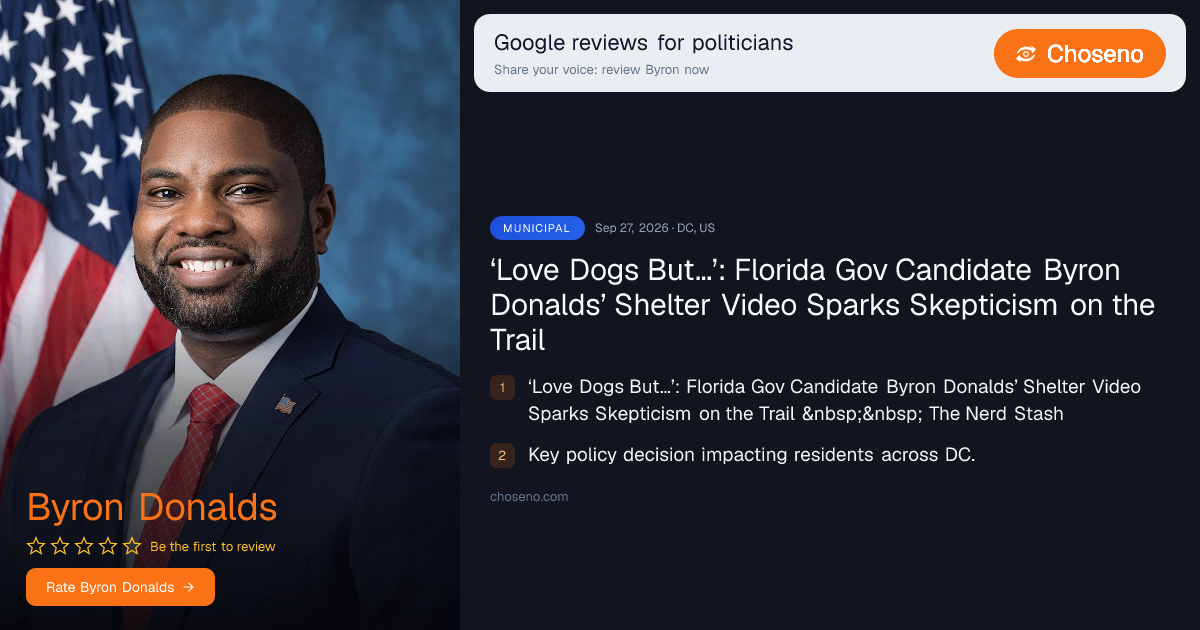
‘Love Dogs But…’: Florida Gov Candidate Byron Donalds’ Shelter Video Sparks Skepticism on the Trail
‘Love Dogs But…’: Florida Gov Candidate Byron Donalds’ Shelter Video Sparks Skepticism on the Trail The Nerd Stash
Read full article
Municipal
US Sep 27, 2026
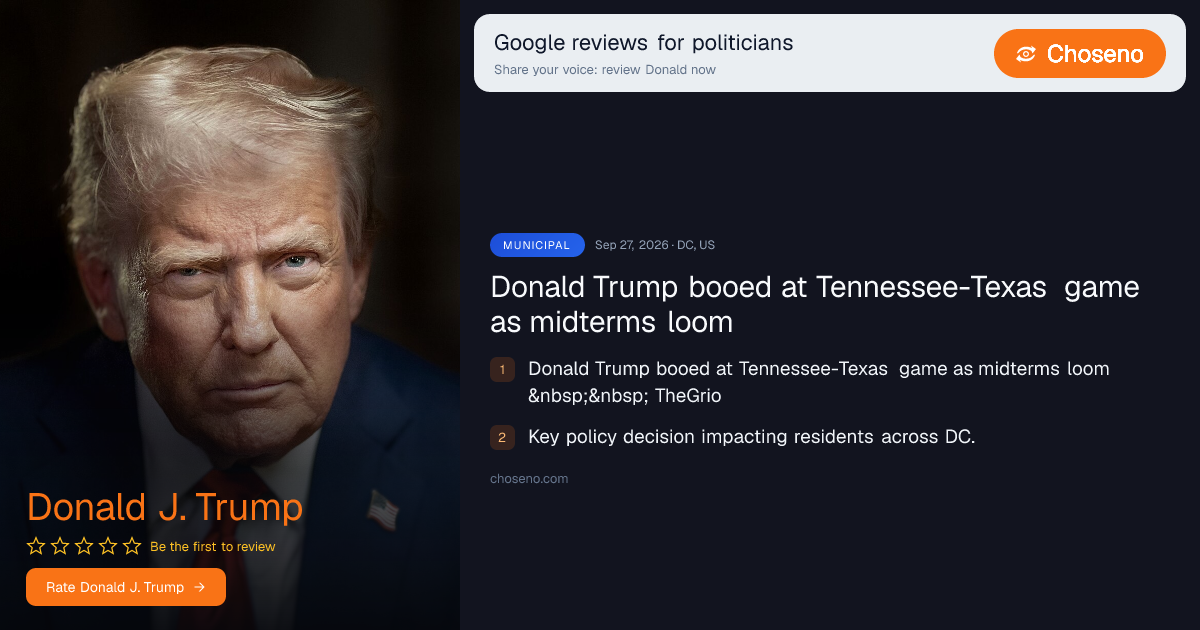
Donald Trump booed at Tennessee-Texas game as midterms loom
Donald Trump booed at Tennessee-Texas game as midterms loom TheGrio
Read full article
Municipal
US Sep 27, 2026
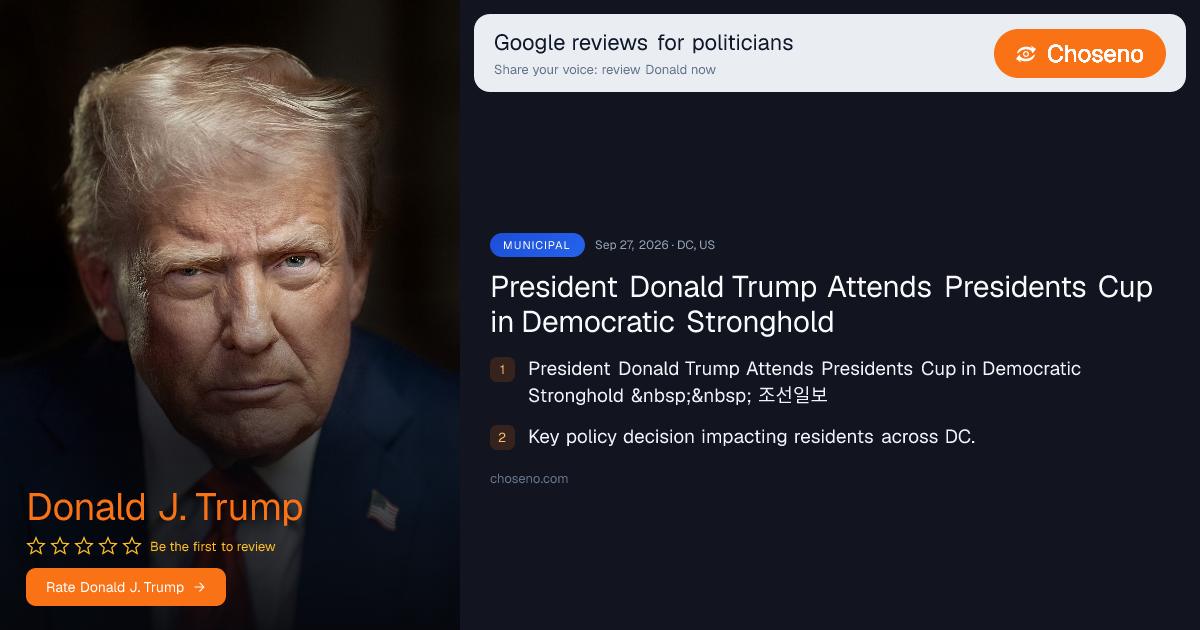
President Donald Trump Attends Presidents Cup in Democratic Stronghold
President Donald Trump Attends Presidents Cup in Democratic Stronghold 조선일보
Read full article