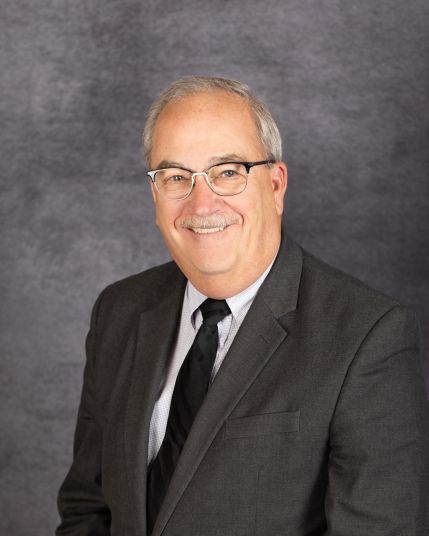
Saline County Sheriff Rodney Wright and Joshua Irby Contest Open Arkansas Senate Seat Vacated by Kim Hammer
Saline County Sheriff Rodney Wright and Democrat Joshua Irby face off in Arkansas Senate District 16 to succeed Kim Hammer, debating tax cuts, education funding, and infrastructure.
Choseno Civic News Desk September 6, 2026Updated September 7, 2026 3 min read Arkansas, US
Voters across central Arkansas are preparing to decide a pivotal state legislative contest in Arkansas Senate District 16, where Saline County Sheriff Rodney Wright and corporate intelligence specialist Joshua Irby are competing to succeed outgoing state Senator Kim Hammer in the November general election.
The open legislative seat, which encompasses suburban communities across Saline County alongside portions of southwestern Pulaski County, became available after Senator Hammer concluded his legislative tenure to launch a statewide campaign as the Republican nominee for Arkansas Secretary of State. Hammer departure from the Arkansas General Assembly after more than a decade of legislative service has set up an active general election campaign centered on public school funding, statewide tax policy, and regional infrastructure management.
Sheriff Wright, a Republican from Benton who has served as Saline County sheriff since 2015 following a twenty-year career with the Benton Police Department, secured the Republican nomination after winning nearly sixty-eight percent of the primary vote. Campaigning on his administrative and law enforcement background, Wright has underscored public safety modernization, rural law enforcement retention, and fiscal conservatism as central legislative priorities. The sheriff has aligned his platform with continuing state income tax reductions enacted by the legislative supermajority, arguing that disciplined state budgeting encourages private capital investment and expands employment opportunities across the Interstate 30 economic corridor.
Democratic nominee Joshua Irby, a Bryant resident with extensive professional experience managing corporate security and intelligence operations, entered the general election after securing the Democratic nomination unopposed. Describing his governing philosophy as centered on pragmatic, community-first leadership, Irby has called for balanced legislative oversight regarding statewide education reforms and healthcare access. Irby has expressed caution regarding the fiscal trajectory of universal school voucher expansions under the Arkansas LEARNS Act, advocating for rigorous public school accountability metrics and targeted state investments to ensure rural and suburban public school districts retain adequate operating resources.
Correctional capacity and judicial administration have also surfaced as prominent campaign themes. With county detention facilities across Arkansas experiencing persistent operational strain due to state inmate backlog, Wright has emphasized the necessity of state funding to support local jail reimbursements and expand behavioral health diversion options. Irby has similarly advocated for comprehensive mental health infrastructure, arguing that addressing substance abuse and expanding regional crisis stabilization centers will alleviate burdens on emergency departments and law enforcement agencies.
Infrastructure resilience and regional water utility planning represent additional pressing concerns for the expanding district. Rapid residential growth across Bryant, Benton, and surrounding unincorporated communities has placed heightened strain on local transportation networks, water distribution authorities, and stormwater mitigation systems. Both candidates have acknowledged that securing state transportation appropriations to widen regional arterial roadways and coordinate municipal utility expansions will be essential to sustain balanced economic development without increasing local property tax burdens.
As early voting approaches, civic organizations and business chambers across Saline and Pulaski counties are organizing non-partisan candidate forums to examine how the incoming senator plans to navigate upcoming fiscal sessions in Little Rock. With the Arkansas General Assembly preparing to address surplus revenue allocations, prison bed capacity expansions, and regulatory rollbacks in the forthcoming legislative session, District 16 voters will determine whether county law enforcement experience or corporate risk management expertise will represent their interests in the state senate.
Rate the people mentioned in this article
Related Coverage in General
See all General newsGeneral
US Sep 25, 2026
Georgia Gubernatorial Nominees Clash Over Agricultural Relief and Farm Production Safeguards
Candidates seeking to succeed term-limited Governor Brian Kemp outlined comprehensive agricultural blueprints targeting escalating input costs, diesel taxation relief, water allocations, and family farm preservation.
Read full article

General
US Sep 25, 2026
Oregon Gubernatorial Candidates Kotek and Drazan Present Contrasting Economic Platforms in Rematch Forum
Oregon Governor Tina Kotek and Republican challenger Christine Drazan outlined starkly different economic blueprints regarding commercial regulations, tax structures, and industrial competitiveness at a Portland business forum.
Read full article
General
US Sep 25, 2026
Governor Kathy Hochul Advances Emergency Management and Climate Resilience Partnership with Dominican Republic
New York Governor Kathy Hochul met with Dominican Republic President Luis Abinader and Representative Adriano Espaillat to expand bilateral emergency management cooperation, training exchanges, and environmental resilience.
Read full article