Premier Eby's Early Election Call in British Columbia Ignites Fierce Debate Over Political Strategy and Economic Stakes
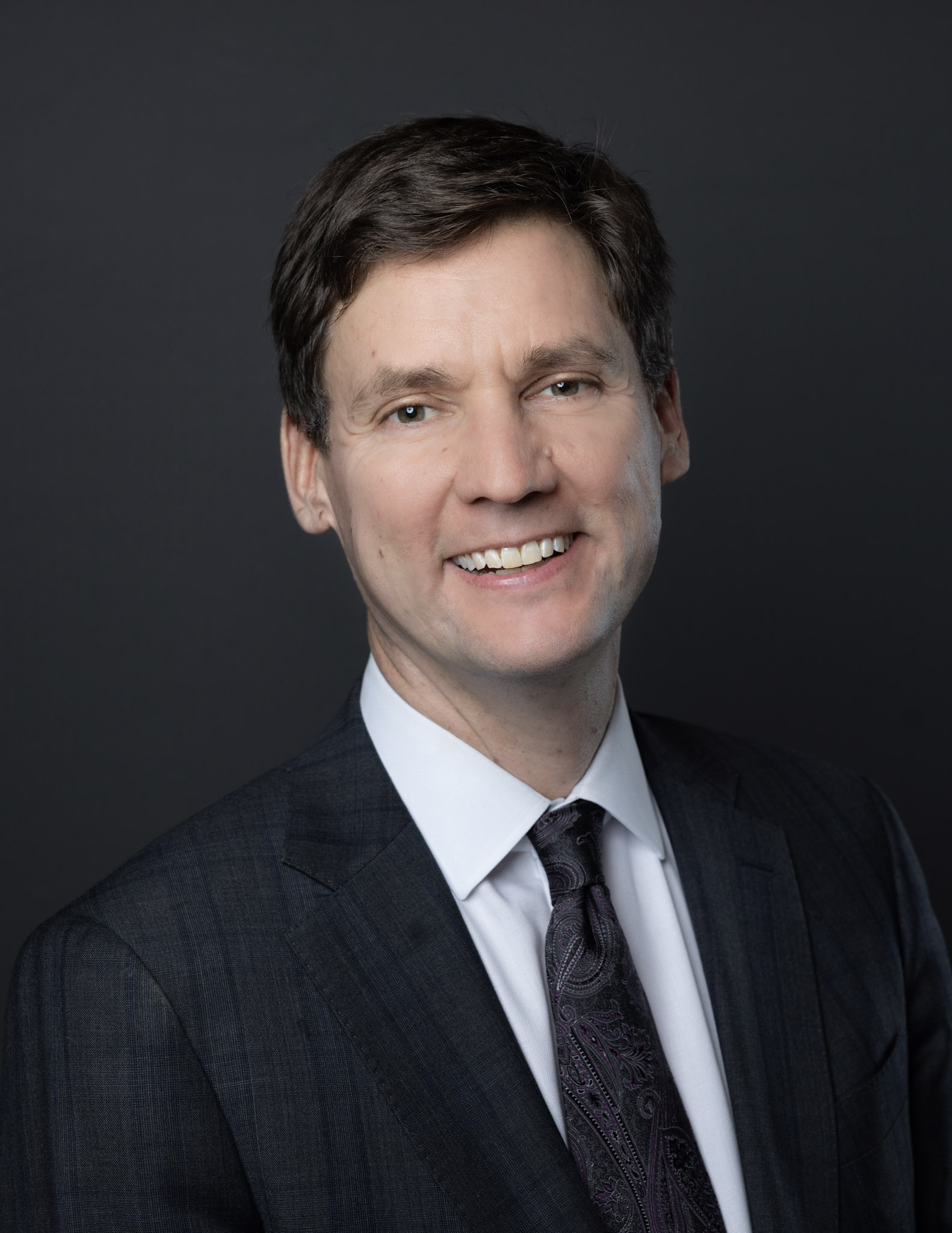
Premier David Eby's decision to call a snap provincial election for October 24, 2026, two years ahead of schedule, has ignited a fervent political debate, with critics, including former federal minister James Moore, labeling it an act of desperation and political opportunism. The move comes amidst a challenging economic outlook for British Columbia and significant turmoil within the provincial opposition.
Choseno Civic News Desk September 24, 2026Updated September 28, 2026 3 min read CA, CA
What do you think of the people in this story? Rate them anonymously — tap a face below.
British Columbia Premier David Eby's recent announcement to hold a provincial election on October 24, 2026, a full two years earlier than the statutorily scheduled date of October 21, 2028, has provoked considerable political discourse and scrutiny. While the province's Constitution Act outlines fixed election dates every four years, it grants the Premier the discretionary power to advise the Lieutenant Governor to dissolve the Legislative Assembly earlier, a prerogative David Eby exercised without having faced or lost a confidence vote. This decision has been widely interpreted by political observers, including former federal cabinet minister James Moore, as a calculated maneuver intended to exploit current political circumstances for electoral advantage rather than addressing any immediate governmental instability. Moore specifically characterized the early election as a crass, opportunistic, and absurd act of political exploitation, suggesting it would likely deepen public cynicism towards politicians.
The timing of Premier Eby's election call has drawn particular criticism due to several factors. Observers noted that the government had already passed its budget through the legislature and had only one piece of legislation pending when the writ was dropped. Furthermore, the official Opposition, the British Columbia Conservatives, was in a state of flux, having recently appointed an interim leader, Lorne Doerkson, following the resignation of Kerry-Lynne Findlay after a period of significant caucus instability. Adding to the controversy, the provincial election date was set just one week after municipal elections on October 17, 2026, prompting concerns from local government candidates and officials, who worried about the provincial campaign overshadowing local issues and voter attention. Figures such as Vancouver mayoral candidate Pete Fry and Port Coquitlam mayoral candidate Brad West expressed frustration that the provincial vote would disrupt their ongoing municipal campaigns, arguing that voters possessed limited bandwidth for multiple political contests.
Economically, the early election raises substantial questions regarding taxpayer expense and the province's financial health. The previous provincial election in 2024 reportedly cost taxpayers over $82 million, and estimates for this snap election suggest a cost of at least $50 million, diverting significant public funds at a time when the Eby government had previously cautioned about the need for tough choices due to a weakening economy. Recent economic data indicated a downward revision in British Columbia’s real economic growth for 2026 to 0.9 percent from an earlier expectation of 1.3 percent. Additionally, the unemployment rate in August had climbed to 6.5 percent, exceeding the national average, and the province experienced a net loss of full-time jobs. James Moore linked this deteriorating fiscal situation, including a reported doubling of the provincial debt from $90 billion to $180 billion between 2021 and 2026, to the Premier's urgency in seeking a new mandate before potential further economic downturns could erode public support.
Premier Eby, however, presented his decision as a necessary measure to protect British Columbia's interests, framing the election as a direct response to potential threats from U.S. President Donald Trump's trade policies and rhetoric. He articulated a need to build a firebreak around the province, encouraging voters to reject what he described as Trump-style politics and pledging to implement new procurement rules prioritizing Canadian and provincial products in public infrastructure projects. David Eby dismissed accusations of opportunism by pointing to the British Columbia Conservative Party's internal struggles, citing their frequent leadership changes and persistent internal chaos. This strategic pivot to an external, international political threat as a central campaign theme underscores a calculated attempt to unite voters and distinguish his government's approach from the opposition.
The move has sparked considerable debate across the province, with public opinion polls indicating a challenging environment for the incumbent government. A Liaison Strategies poll suggested that 50 percent of British Columbians believed the province was heading in the wrong direction, while an Angus Reid Institute survey reported that 47 percent considered the NDP government to be performing poorly, with half of all respondents indicating a desire for governmental change. The early election call, therefore, appears to be a high-stakes gamble for Premier Eby, aiming to capitalize on the opposition's disarray and external geopolitical concerns, while facing significant public skepticism regarding the necessity and timing of the vote amid escalating economic anxieties and mounting taxpayer costs.
Rate the people mentioned in this article


Related Coverage in Municipal
See all Municipal newsMunicipal
US Sep 27, 2026
‘Love Dogs But…’: Florida Gov Candidate Byron Donalds’ Shelter Video Sparks Skepticism on the Trail
‘Love Dogs But…’: Florida Gov Candidate Byron Donalds’ Shelter Video Sparks Skepticism on the Trail The Nerd Stash
Read full article

Municipal
US Sep 27, 2026
Donald Trump booed at Tennessee-Texas game as midterms loom
Donald Trump booed at Tennessee-Texas game as midterms loom TheGrio
Read full article
Municipal
US Sep 27, 2026
President Donald Trump Attends Presidents Cup in Democratic Stronghold
President Donald Trump Attends Presidents Cup in Democratic Stronghold 조선일보
Read full article