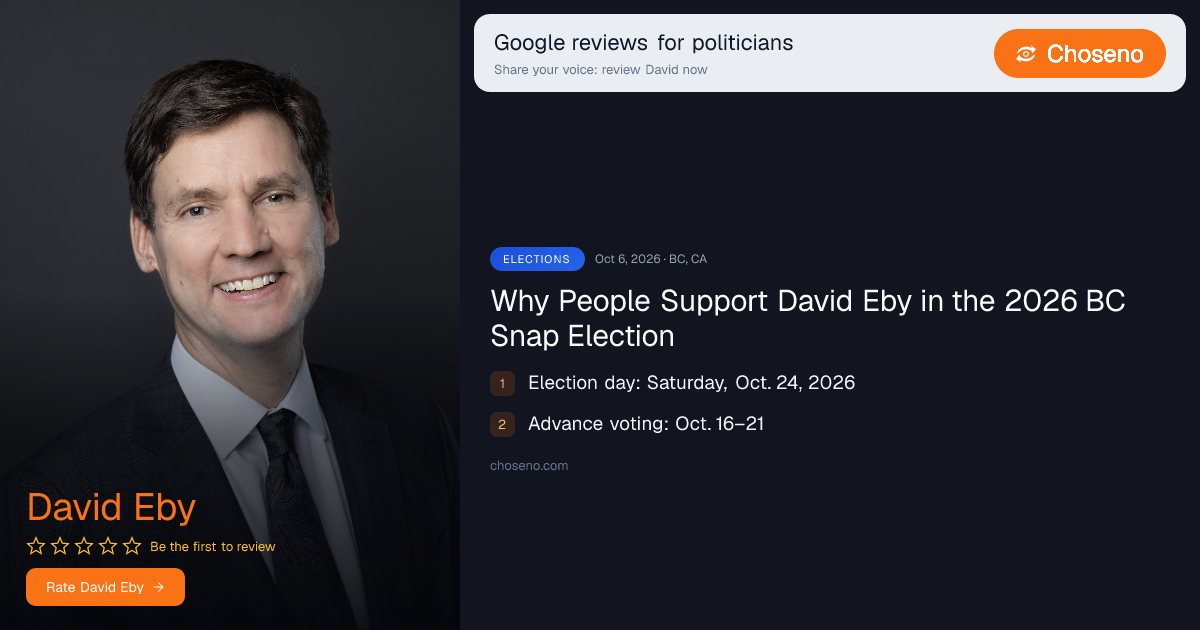
David Eby is a public leader and candidate profile on Choseno. Serving as or running for Premier. Located in British Columbia. Profile overview: David Eby is a determined problem-solver, willing to stand up to powerful interests to get results for people. From working in Vancouver's Downtown Eastside as a human rights lawyer to defending people as BC's 37th Premier, David Eby has spent his life standing up to powerful interests — and getting results. David grew up in Kitchener, Ontario, the eldest of four siblings. His parents, Brian and Laura, strongly believed in the importance of fairness, and taught that value to their kids. David took it to heart from a young age. After completing high school (where he was elected student council president) and an undergraduate degree at the University of Waterloo, David began his studies at the Schulich School of Law at Dalhousie University. He quickly co-founded a group to promote equality called SALSA — the Social Activist Law Student Association, which still exists today. After finishing law school, David wanted to work where he could do the most good for people. So, in 2005, he started working in Canada's most diverse — and poorest — postal code: Vancouver's Downtown Eastside. As he worked to protect British Columbians dealing with a growing housing crisis, David saw big problems that needed to be fixed for people — that right wing politicians were refusing to deal with them. In 2011 David took on a new challenge so he could help more people: running against BC Liberal Premier, Christy Clark, in her riding of Vancouver Point-Grey, which had long voted for her party and its candidates. David knocked on hundreds of doors and made thousands of calls, and listened to the people of the riding who felt like they had been neglected by the BC Liberals. A huge criticism of Christy Clark at the time was that she was never around. Her office was usually closed, she didn’t come to events in the community, and she never had time for people. Right from the start, David did things differently. He connected with people and worked to understand their problems, so they could find solutions together. Come election day, David made history — and has represented the people of Vancouver-Point Grey ever since. Over the next four years, David worked hard for people to uncover and expose the entitlement and excess of the BC Liberals. He fought against the choices they made for their big money donors and how they hurt British Columbians. When John Horgan became Premier in 2017, David became BC’s Attorney General to take on some of the worst ways BC Liberal policies favoured those at the top. John put him in charge of some of the province’s most difficult challenges — extinguishing the BC Liberal ‘dumpster fire’ at ICBC and fighting criminal money laundering that inflated BC housing prices out of reach, and fueled the toxic drug crisis. David rolled up his sleeves and got to work. As the longest-serving Attorney General in the last 30 years, David delivered results for people. He turned around ICBC’s finances and reduced the average driver’s car insurance rates by 20%. He led a successful crackdown on money laundering in casinos. He took on opioid manufacturers and delivered a first of its kind settlement to hold corporations accountable for the overdose crisis — the largest health cost recovery in Canadian history. The first bill he introduced in the legislature banned big money from provincial politics. David became Minister of Housing in 2020 and started implementing creative solutions to tackle the housing crisis. In the year and a half he led the ministry, he helped build thousands of homes all over the province and brought almost 5,000 people off the street and into housing. On November 18, 2022, David became BC’s 37th premier, launching a 100 Days of Action plan to help people build a good life here. On his first day he announced cost-of-living relief for BC Hydro ratepayers, and got to work taking on the big causes of inequality and the housing crisis. In his first eighteen months as Premier, David Eby has taken bold action for people. To tackle the housing crisis, he and our BC NDP team have brought in tough new rules regulating short-term rentals to turn them into homes for people, along with updating zoning rules province-wide to allow for more townhouses, duplexes and triplexes. He's also introduced new initiatives to help renters, improve health care by hiring more doctors and nurses, and passed new laws to help keep communities and people safe. And there's so much more to do. Through all of this, David remains a dedicated father, husband, pillow fort engineer and dad joke connoisseur. He and his wife Cailey, a family doctor, welcomed their son Ezra in 2014 and their daughter Iva in 2019. They welcomed their third daughter, Gwendolyn, in June 2024. Links: Facebook: https://facebook.com/dave.eby | X: https://twitter.com/Dave_Eby Voters and constituents can review policy stances, submit public ratings, track campaign updates, and leave feedback on Choseno.
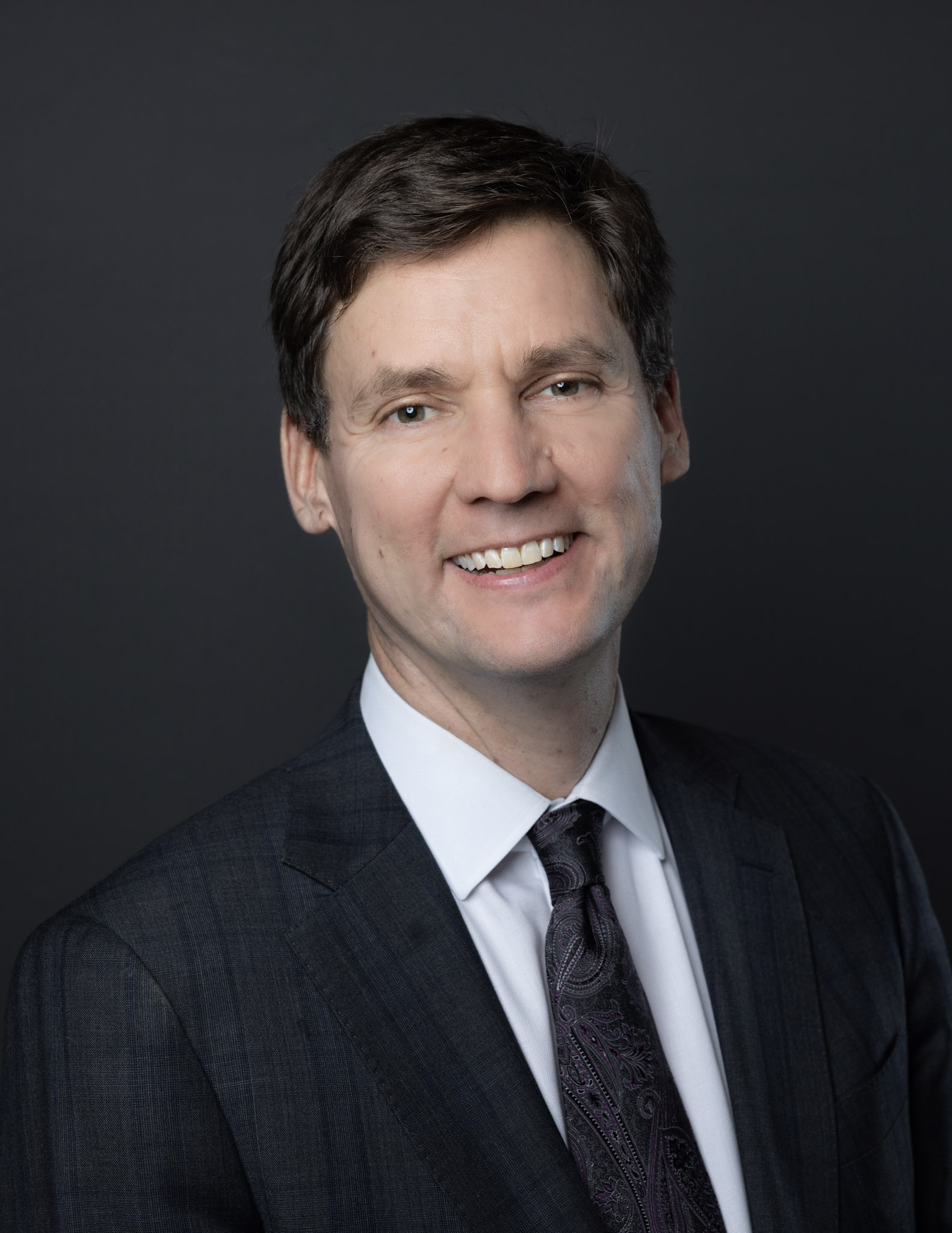
David Eby is a determined problem-solver, willing to stand up to powerful interests to get results for people. From working in Vancouver's Downtown Eastside as a human rights lawyer to defending people as BC's 37th Premier, David Eby has spent his life standing up to powerful interests — and getting results. David grew up in Kitchener, Ontario, the eldest of four siblings. His parents, Brian and Laura, strongly believed in the importance of fairness, and taught that value to their kids. David took it to heart from a young age. After completing high school (where he was elected student council president) and an undergraduate degree at the University of Waterloo, David began his studies at the Schulich School of Law at Dalhousie University. He quickly co-founded a group to promote equality called SALSA — the Social Activist Law Student Association, which still exists today. After finishing law school, David wanted to work where he could do the most good for people. So, in 2005, he started working in Canada's most diverse — and poorest — postal code: Vancouver's Downtown Eastside. As he worked to protect British Columbians dealing with a growing housing crisis, David saw big problems that needed to be fixed for people — that right wing politicians were refusing to deal with them. In 2011 David took on a new challenge so he could help more people: running against BC Liberal Premier, Christy Clark, in her riding of Vancouver Point-Grey, which had long voted for her party and its candidates. David knocked on hundreds of doors and made thousands of calls, and listened to the people of the riding who felt like they had been neglected by the BC Liberals. A huge criticism of Christy Clark at the time was that she was never around. Her office was usually closed, she didn’t come to events in the community, and she never had time for people. Right from the start, David did things differently. He connected with people and worked to understand their problems, so they could find solutions together. Come election day, David made history — and has represented the people of Vancouver-Point Grey ever since. Over the next four years, David worked hard for people to uncover and expose the entitlement and excess of the BC Liberals. He fought against the choices they made for their big money donors and how they hurt British Columbians. When John Horgan became Premier in 2017, David became BC’s Attorney General to take on some of the worst ways BC Liberal policies favoured those at the top. John put him in charge of some of the province’s most difficult challenges — extinguishing the BC Liberal ‘dumpster fire’ at ICBC and fighting criminal money laundering that inflated BC housing prices out of reach, and fueled the toxic drug crisis. David rolled up his sleeves and got to work. As the longest-serving Attorney General in the last 30 years, David delivered results for people. He turned around ICBC’s finances and reduced the average driver’s car insurance rates by 20%. He led a successful crackdown on money laundering in casinos. He took on opioid manufacturers and delivered a first of its kind settlement to hold corporations accountable for the overdose crisis — the largest health cost recovery in Canadian history. The first bill he introduced in the legislature banned big money from provincial politics. David became Minister of Housing in 2020 and started implementing creative solutions to tackle the housing crisis. In the year and a half he led the ministry, he helped build thousands of homes all over the province and brought almost 5,000 people off the street and into housing. On November 18, 2022, David became BC’s 37th premier, launching a 100 Days of Action plan to help people build a good life here. On his first day he announced cost-of-living relief for BC Hydro ratepayers, and got to work taking on the big causes of inequality and the housing crisis. In his first eighteen months as Premier, David Eby has taken bold action for people. To tackle the housing crisis, he and our BC NDP team have brought in tough new rules regulating short-term rentals to turn them into homes for people, along with updating zoning rules province-wide to allow for more townhouses, duplexes and triplexes. He's also introduced new initiatives to help renters, improve health care by hiring more doctors and nurses, and passed new laws to help keep communities and people safe. And there's so much more to do. Through all of this, David remains a dedicated father, husband, pillow fort engineer and dad joke connoisseur. He and his wife Cailey, a family doctor, welcomed their son Ezra in 2014 and their daughter Iva in 2019. They welcomed their third daughter, Gwendolyn, in June 2024.
No one has reviewed David Eby yet — you’d be the first
Rate them on their record and recent news coverage. Reviews post under your anonymous Ghost ID — David Eby and every other visitor only ever see that, never your real name.
Sort:
News9/26/2026
Strategic Shifts and Political Vulnerability in British Columbia's Executive Leadership
Premier David Eby faces scrutiny over his aggressive political positioning regarding international figures and domestic policy. Critics argue these maneuvers reflect a broader struggle to maintain electoral momentum amidst shifting public sentiment.
0
News9/26/2026
Municipal Leadership Challenges Provincial Election Timing Amid Governance Concerns
A British Columbia mayoral candidate has publicly criticized the provincial government for initiating an early election, labeling the move as a self-serving political maneuver. The critique highlights growing tensions between local municipal authorities and provincial leadership regarding the prioritization of political strategy over stable governance.
0
News9/26/2026
Strategic Political Positioning and the Implications of Eby’s Stance on Trans-Pacific Relations
British Columbia Premier David Eby has adopted a confrontational rhetorical stance toward potential American protectionist policies, sparking debate over the efficacy of such political maneuvering. Critics argue this approach reflects electoral anxiety, while supporters view it as a necessary defense of provincial economic interests.
0
News9/26/2026
The Evolving Political Landscape and the Uncertain Path for British Columbia Leadership
As the provincial election cycle intensifies, current polling data suggests a highly competitive environment for Premier David Eby. The political discourse remains focused on the potential for a shift in governance as voters weigh the incumbent administration against an emerging field of challengers.
0
News9/26/2026
Municipal Leadership Challenges Provincial Election Timing Amidst Governance Concerns
A British Columbia mayoral candidate has publicly criticized the provincial government for initiating an early election, labeling the decision as a self-serving maneuver that disrupts local governance. The critique highlights growing tensions between municipal leaders and provincial authorities regarding the prioritization of political strategy over public service stability.
0
News9/26/2026
EDITORIAL: Has David Eby done a David Peterson?
EDITORIAL: Has David Eby done a David Peterson? Toronto Sun
0
News9/25/2026
BC NDP Proposes Aggressive Real Estate Levies Targeting Unsold Condominiums and Vacant Properties
Premier David Eby and the BC NDP have announced a comprehensive housing policy package introducing a new tax on unsold newly constructed condominiums and substantial hikes to the existing speculation and vacancy tax. The measures aim to discourage housing hoarding and accelerate inventory release across high-demand urban markets in British Columbia.
0
News9/26/2026
Evaluating the Political Mechanics and Economic Stakes of David Eby's Cross-Border Strategy
British Columbia Premier David Eby's strategic positioning regarding potential American political shifts has ignited fierce domestic debate over provincial priorities. Critics argue the posture exposes underlying vulnerabilities, while supporters view the preemptive diplomacy as a necessary defense of local economic interests.
0
News9/25/2026
British Columbia Premier David Eby Pursues Aggressive Property Tax Strategies Targeting Unsold New Condominiums
British Columbia Premier David Eby is advancing aggressive fiscal interventions to penalize developers holding vacant new condominiums. The policy framework aims to redirect speculative inventory into the active housing market to alleviate severe affordability pressures.
0
News9/25/2026
British Columbia Conservative Opposition Pushes Back Against Premier David Eby Comprehensive Upzoning Mandates
An analytical look at the rising political friction in British Columbia as the provincial Conservative opposition challenges Premier David Eby and the governing New Democratic Party over aggressive municipal upzoning policies. The debate centers on municipal autonomy, housing supply strategies, and the fiscal impacts on suburban infrastructure.
0
News9/26/2026
Vaughn Palmer: First few days of B.C. campaign a disaster for David Eby
Vaughn Palmer: First few days of B.C. campaign a disaster for David Eby Vancouver Sun
0
News9/26/2026
David Eby calls for Snap election in BC on October 24, 2026
David Eby calls for Snap election in BC on October 24, 2026 Link Newspaper
0
News9/25/2026
The Strategic Timing of Premier Eby’s Legislative Maneuvers and the Impact on Democratic Accountability
Premier David Eby faces intense scrutiny regarding the timing of legislative shifts that critics argue undermine the transparency of the democratic process in British Columbia. This analysis examines the intersection of executive authority, electoral integrity, and the broader implications for taxpayer trust in provincial governance.
0
News9/25/2026
British Columbia NDP Proposes Aggressive Fiscal Measures to Curb Real Estate Speculation
The British Columbia NDP has unveiled a comprehensive housing strategy featuring a new tax on unsold condominium inventory and an increase to the existing speculation and vacancy tax. These measures aim to incentivize developers to release housing supply more rapidly while discouraging the long-term holding of vacant residential units.
0
News9/25/2026
The Strategic Timing of Premier Eby’s Legislative Maneuvers and the Implications for Democratic Accountability
Premier David Eby faces intense scrutiny over the timing of legislative shifts that critics argue undermine the transparency of the democratic process in British Columbia. The controversy centers on whether executive actions prioritize political convenience over the fundamental rights of the electorate to participate in informed governance.
0
News9/25/2026
British Columbia NDP Proposes Aggressive Fiscal Measures to Curb Housing Speculation
The British Columbia NDP has unveiled a comprehensive housing strategy aimed at increasing inventory by taxing unsold condominium units and raising existing vacancy levies. These proposed fiscal adjustments seek to address the province's ongoing affordability crisis by discouraging developers from holding onto completed but unoccupied residential stock.
0
News9/25/2026
Assessing the Strategic Calculus of Premier David Eby's Recent Policy Pivot
Premier David Eby faces intense scrutiny regarding the long-term viability and political consequences of his recent legislative maneuvers. This analysis examines the intersection of public policy, fiscal responsibility, and the shifting landscape of British Columbia's political climate.
0
News9/25/2026
Assessing the Strategic Consequences of Premier Eby's Recent Policy Pivot
This report examines the political and economic ramifications of Premier David Eby's recent legislative decisions. It analyzes how these executive actions have sparked intense public debate regarding fiscal responsibility and long-term governance.
0
News9/25/2026
The Conservative Challenge to British Columbia’s Aggressive Housing Densification Strategy
The Conservative Party of British Columbia is mounting a significant opposition to Premier David Eby’s provincial upzoning mandates, arguing that the top-down approach undermines local municipal autonomy. This conflict highlights a growing ideological divide regarding the balance between provincial housing targets and the preservation of neighborhood character.
0
News9/25/2026
Could the B.C. election be David Eby’s biggest blunder?
Could the B.C. election be David Eby’s biggest blunder? Juno News
0
News9/24/2026
Buy Canadian campaign announcement made by David Eby at Lower Mainland stop
Buy Canadian campaign announcement made by David Eby at Lower Mainland stop Abbotsford News
0
News9/24/2026
Premier Eby Launches Lower Mainland Buy Canadian Campaign to Boost Domestic Economy
British Columbia Premier David Eby traveled to the Lower Mainland to unveil a prominent Buy Canadian campaign aimed at supporting domestic industries and securing local jobs. The strategic economic initiative addresses pressing supply chain concerns and encourages consumers and businesses to prioritize homegrown goods.
0
News9/24/2026
British Columbia Premier David Eby Launches Comprehensive Buy Canadian Initiative During Lower Mainland Campaign Stop
British Columbia Premier David Eby traveled to the Lower Mainland to launch a sweeping Buy Canadian campaign aimed at supporting domestic industries and securing regional supply chains. The strategic announcement highlights government efforts to bolster local economic resilience amidst ongoing macroeconomic pressures.
0
News9/24/2026
Premier Eby Launches Buy Canadian Initiative in Lower Mainland to Strengthen Domestic Markets
British Columbia Premier David Eby traveled to the Lower Mainland to launch a new Buy Canadian campaign aimed at supporting domestic industries and securing local jobs. The strategic economic announcement addresses growing regional concerns regarding global supply chain vulnerabilities and international trade pressures.
0
News9/24/2026
Premier Eby Launches Lower Mainland Buy Canadian Drive to Bolster Domestic Manufacturing
British Columbia Premier David Eby traveled to the Lower Mainland to launch a high-profile Buy Canadian campaign aimed at strengthening local supply chains. The initiative seeks to direct consumer spending toward domestic producers amid ongoing economic pressures and trade uncertainties.
0
News9/24/2026
Premier Eby Unveils Strategic Buy Canadian Initiative During Lower Mainland Tour
British Columbia Premier David Eby traveled to the Lower Mainland to launch a comprehensive Buy Canadian campaign aimed at bolstering domestic manufacturing and regional supply chains. The strategic economic announcement addresses growing pressures on local industries and outlines targeted frameworks for taxpayer-backed procurement.
0
News9/24/2026
Premier David Eby Launches Comprehensive Buy Canadian Initiative During Lower Mainland Stop
British Columbia Premier David Eby traveled to the Lower Mainland to unveil a prominent Buy Canadian campaign designed to bolster domestic manufacturing and local supply chains. The strategic economic announcement addresses growing regional market pressures and seeks to align public procurement with local business advancement.
0
News9/24/2026
Premier David Eby Launches Strategic Buy Canadian Initiative During Lower Mainland Campaign Stop
British Columbia Premier David Eby traveled to the Lower Mainland to unveil a prominent Buy Canadian campaign, aiming to bolster domestic industries and safeguard local manufacturing jobs. The strategic economic announcement addresses growing regional concerns regarding market competitiveness, supply chain vulnerabilities, and regional trade pressures.
0
News9/25/2026
Four Senior British Columbia Cabinet Ministers Step Down Following Premier Eby Snap Election Call
Four high-ranking British Columbia cabinet ministers, including Health Minister Ravi Kahlon and Jobs Minister Brenda Bailey, announced they will not seek re-election ahead of the October snap provincial election.
0
News9/25/2026
Premier David Eby Warns Snap Election Decides British Columbia Sovereignty Amid Cross-Border Trade Tensions
British Columbia Premier David Eby escalated campaign rhetoric ahead of the October general election, arguing that opposition political alignments risk subordinating provincial policy to United States commercial influence.
0
News9/24/2026
NDP's David Eby says some Conservatives want B.C. to be 'American protectorate'
NDP's David Eby says some Conservatives want B.C. to be 'American protectorate' Castanet
0
News9/24/2026
Premier Eby's Snap Election Draws Fire for Undermining Democratic Norms and Imposing Costs Amidst Political Calculation
British Columbia Premier David Eby's decision to call a provincial election two years ahead of the scheduled fixed date has ignited widespread criticism, with opponents and political observers accusing the move of political opportunism and a disregard for democratic principles. The early election is projected to cost taxpayers at least $50 million and is occurring just one week after municipal elections, prompting concerns about voter fatigue and reduced scrutiny of local issues.
0
News9/24/2026
British Columbia NDP Faces Electoral Headwinds as Snap Election Polling Shows Significant Decline
Recent polling data indicates a challenging electoral landscape for David Eby and the governing British Columbia New Democratic Party following the premier's decision to call an early provincial election. Despite earlier improvements in approval, an Angus Reid Institute survey suggests a notable shift in voter sentiment, placing the BC Conservatives ahead.
0
News9/24/2026
Premier Eby's Early Election Call in British Columbia Ignites Fierce Debate Over Political Strategy and Economic Stakes
Premier David Eby's decision to call a snap provincial election for October 24, 2026, two years ahead of schedule, has ignited a fervent political debate, with critics, including former federal minister James Moore, labeling it an act of desperation and political opportunism. The move comes amidst a challenging economic outlook for British Columbia and significant turmoil within the provincial opposition.
0
News9/24/2026
Premier Eby Faces Significant Cabinet Exodus Amidst Snap Election Call, Raising Questions of Stability and Autonomy
Premier David Eby's New Democratic Party government is navigating a substantial political challenge with four key cabinet ministers announcing they will not seek re-election ahead of a snap provincial election called for October 24, 2026. The departures, including that of Eby's top lieutenant, Health Minister Ravi Kahlon, occur amidst a backdrop of internal party dynamics, personal health considerations, policy disagreements, and a fractured opposition.
0
News9/24/2026
British Columbia Legislates 'Built in B.C. and Canada' Procurement Mandate Amidst Trade Tensions
British Columbia's Premier David Eby recently unveiled a new legislative requirement compelling government agencies to prioritize Canadian products for public infrastructure projects, a significant escalation of previous guidelines. This policy aims to bolster the provincial economy and safeguard local industries against foreign trade pressures, although critics raise concerns about potential cost increases for taxpayers.
0
News9/8/2026
Alberta Breaks From Canadian Counter-Tariff Alignment Pursuing Direct Diplomatic Engagement With Washington
Premier Danielle Smith has positioned Alberta apart from other Canadian provinces by rejecting retail import bans and prioritizing bilateral energy diplomacy with the United States administration.
0
News9/6/2026
Abbotsford-Mission Provincial Byelection Launches Following Resignation of Conservative MLA Reann Gasper
The provincial byelection campaign in Abbotsford-Mission officially commenced following the resignation of Conservative MLA Reann Gasper, setting up a contested race focused on healthcare delivery, emergency room staffing, and legislative party stability.
0
News9/4/2026
Five Former Conservative MLAs Form New Centre-Right Party Ahead of BC Fall Legislative Session
MLAs Bruce Banman, Rosalyn Bird, and Á'a:líya Warbus join Peter Milobar and Ian Paton to launch a new centre-right caucus in the British Columbia Legislature under Milobar's interim leadership.
0
News9/4/2026
Surrey Conservative MLA Linda Hepner Urges Calm and Grants Leader Runway to Contain Caucus Revolt
Surrey MLA and former mayor Linda Hepner called for restraint amid escalating BC Conservative caucus defections, giving party leadership runway to resolve turmoil following Elenore Sturko’s exit.
0
News9/4/2026
New B.C. Centre-Right Party Secures Five Seats in Legislative Assembly Following Major Conservative Defections
Three additional MLAs join Peter Milobar and Ian Paton to form a five-member centre-right caucus in the B.C. Legislature ahead of the October fall sitting, vaulting to third-party status.
0
News9/3/2026
B.C. Conservative Caucus Exodus Deepens as Ninth MLA Departs to Sit as Independent in Victoria
Internal upheaval inside British Columbia's Official Opposition accelerated as Columbia River-Revelstoke MLA Scott McInnis and Richmond-Bridgeport MLA Teresa Wat resigned from the Conservative caucus, citing unbridgeable leadership divisions.
0
News9/3/2026
Business Consultant Jessie Lightburn Launches Courtenay Council Campaign Targeting Municipal Spending and Street Disorder
Courtenay business consultant Jessie Lightburn formally announced her candidacy for City Council in British Columbia's October municipal elections, pledging fiscal restraint and downtown safety reforms.
0
News8/31/2026
Premier David Eby Calls Abbotsford-Mission Provincial By-Election for September 26
British Columbia Premier David Eby has officially issued the election warrant for a provincial by-election in Abbotsford-Mission scheduled for September 26, 2026. The race follows the resignation of MLA Reann Gasper, creating a high-stakes legislative test between the governing BC NDP and the BC Conservatives.
0
News8/31/2026
Seventh B.C. Conservative MLA Resigns from Caucus as Internal Party Friction Accelerates
Chilliwack-Cultus Lake MLA Áʼa꞉líya Warbus announced her departure from the B.C. Conservative caucus to sit as an Independent in the provincial legislature. The move marks the seventh MLA resignation within a month, reducing the official opposition caucus to 30 seats under party leader Kerry-Lynne Findlay.
0
News8/31/2026
Canadian Premiers Leverage Cross-Border Energy Transmission Amid Escalating Trade Negotiations
Ontario Premier Doug Ford and provincial leaders across Canada are positioning cross-border electricity exports and critical mineral supply chains as central leverage in ongoing North American trade disputes. The strategy highlights the deep interdependence of the Great Lakes electrical grid and bilateral industrial supply networks.
0
News8/29/2026
Premier David Eby Calls Abbotsford-Mission Byelection as Conservative Leader Kerry-Lynne Findlay Mounts Campaign
British Columbia Premier David Eby has officially called a provincial byelection for the Abbotsford-Mission riding scheduled for September 26, 2026. The election follows the resignation of Conservative MLA Reann Gasper to clear a pathway for newly elected B.C. Conservative Leader Kerry-Lynne Findlay to win a seat in the Legislative Assembly.
0
News8/29/2026
British Columbia Indigenous Rights Leader and NDP MLA Joan Phillip Dies at 74
British Columbia New Democratic Party MLA Joan Phillip, a prominent Penticton Indian Band elder and lifelong Indigenous rights advocate, passed away Friday at age 74 following an illness. Political leaders across provincial and national jurisdictions expressed condolences, honoring her decades of grassroots advocacy and parliamentary service.
0
News8/29/2026
Premier David Eby Calls Abbotsford-Mission Byelection as B.C. Conservatives Navigate Internal Rift
British Columbia Premier David Eby has officially scheduled a provincial byelection in Abbotsford-Mission for September 26, 2026. The vote follows the resignation of Conservative MLA Reann Gasper to provide party leader Kerry-Lynne Findlay a pathway into the Legislative Assembly amid recent caucus defections.
0
News8/28/2026
B.C. MLA and Renowned Indigenous Rights Leader Joan Phillip Passes Away at Age 74
British Columbia Member of the Legislative Assembly Joan Phillip, a lifelong Indigenous rights activist and community advocate, has passed away at the age of 74 following a serious illness. Leaders across the political spectrum honored her decades of frontline advocacy and impactful service representing Vancouver-Strathcona and Vancouver-Mount Pleasant.
0