Maryland Gubernatorial Rematch Sharpens as Dan Cox Challenges Governor Wes Moore on Baltimore Public Safety
Republican Dan Cox challenged Maryland Governor Wes Moore's public safety and juvenile justice record during a Baltimore campaign stop ahead of their October gubernatorial debate.
Choseno Civic News Desk September 7, 2026 3 min read Maryland, US
What do you think of the people in this story? Rate them anonymously — tap a face below.
Republican nominee Dan Cox has intensified his general election campaign against incumbent Democratic Governor Wes Moore with a focused visit to Baltimore, elevating urban crime, juvenile justice administration, and state policing appropriations into central debate topics for Maryland's 2026 gubernatorial rematch. The renewed confrontation between the two political rivals, who previously squared off in the 2022 general election, highlights sharply divergent philosophies regarding law enforcement, state executive intervention, and social rehabilitation in Maryland's largest metropolitan center.
During campaign appearances across West Baltimore and downtown commercial corridors, Cox asserted that Governor Moore's executive stewardship has allowed persistent public safety concerns to undermine commercial vitality and resident quality of life. The Republican challenger contended that current state policies have constrained police operational tactics, hindered departmental recruitment across regional law enforcement agencies, and created an atmosphere of leniency within the judicial system. Cox maintained that urban neighborhoods have been neglected by Annapolis leadership, arguing that restoring public order requires expanded state police presence, stricter mandatory sentencing for repeat firearm offenders, and a complete overhaul of recent juvenile justice statutes.
Governor Moore and administration officials firmly pushed back against the challenger's characterizations, pointing to verifiable law enforcement metrics that demonstrate significant declines in violent crime, including reductions in homicides and non-fatal shootings across Baltimore City and the wider metropolitan area over the past two years. The governor maintained that his administration has deployed historic financial resources directly into municipal public safety, citing record state grant allocations for municipal police compensation, advanced forensic tracking technology, specialized witness protection resources, and community-based violence interruption networks that intervene before retaliatory conflicts escalate.
The debate also centers on competing assessments of the Juvenile Justice Reform Act modifications enacted by the Maryland General Assembly. While Cox argued that the revised legal framework restricts law enforcement officers from effectively holding juvenile offenders accountable for auto thefts and armed robberies, Governor Moore emphasized that sustainable community safety requires balancing firm legal boundaries with expanded educational, behavioral health, and workforce development pipelines. The governor stated that simply expanding juvenile detention facilities without addressing concentrated poverty, underfunded neighborhood schools, and systemic disinvestment fails to resolve generational cycles of community distress.
The escalating exchange unfolds as both campaigns finalize preparations for a statewide televised debate scheduled for early October on Maryland Public Television. With Governor Moore maintaining a significant campaign fundraising advantage and broad backing across Democratic-leaning suburban jurisdictions in Montgomery and Prince George's counties, Cox is actively seeking to consolidate conservative voters in rural western Maryland and the Eastern Shore while expanding appeal among working-class suburban communities concerned about economic affordability, municipal property tax burdens, public school standards, and civic order.
Political observers noted that the public safety debate in Baltimore underscores the foundational ideological divide framing the gubernatorial contest. By contrasting Cox's traditional tough-on-crime doctrine with Moore's integrated public safety, economic opportunity, and community health framework, the election will test whether Maryland voters endorse the administration's multi-faceted governance strategy or demand a more punitive approach to executive law enforcement across the entire state.

Related Coverage in General
See all General newsGeneral
US Sep 25, 2026
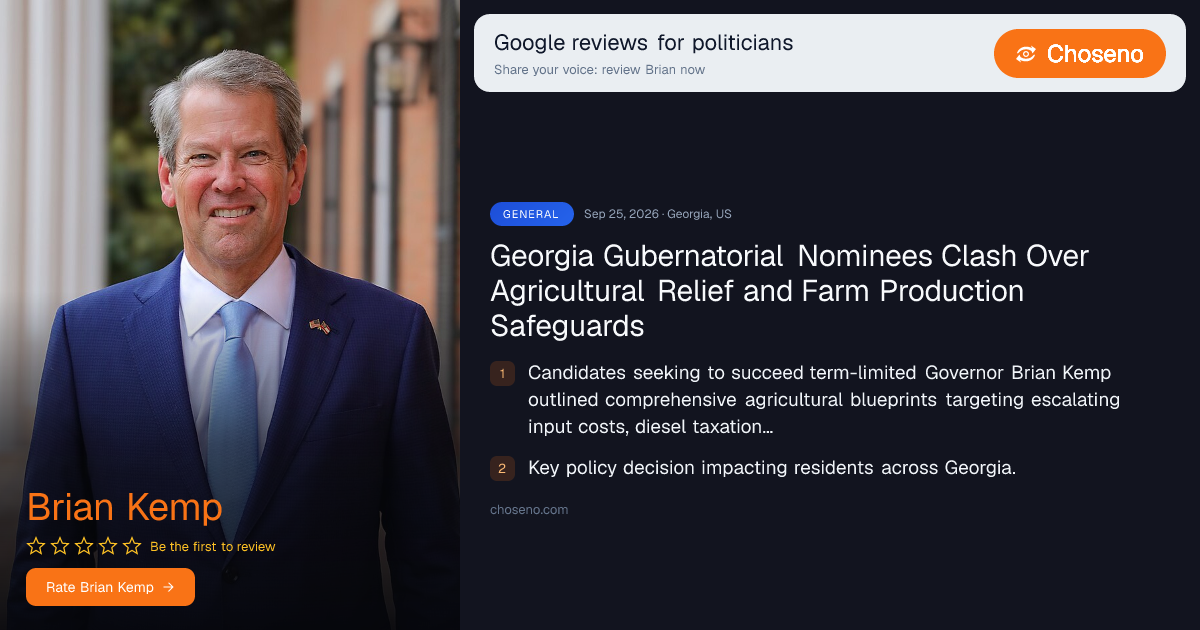
Georgia Gubernatorial Nominees Clash Over Agricultural Relief and Farm Production Safeguards
Candidates seeking to succeed term-limited Governor Brian Kemp outlined comprehensive agricultural blueprints targeting escalating input costs, diesel taxation relief, water allocations, and family farm preservation.
Read full article
General
US Sep 25, 2026
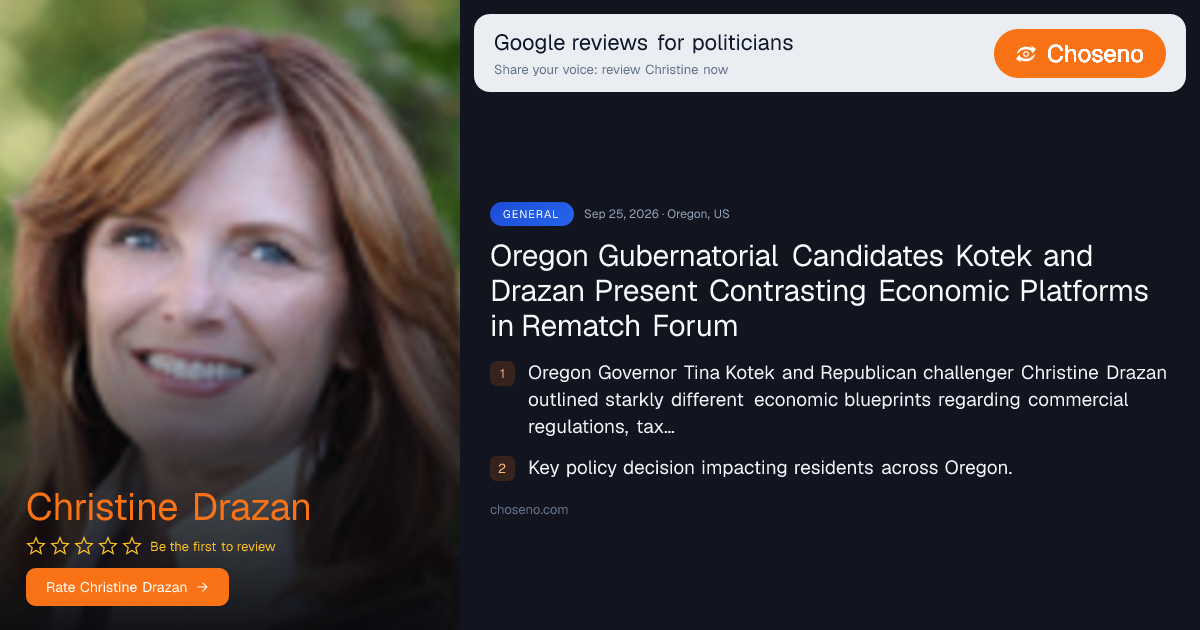
Oregon Gubernatorial Candidates Kotek and Drazan Present Contrasting Economic Platforms in Rematch Forum
Oregon Governor Tina Kotek and Republican challenger Christine Drazan outlined starkly different economic blueprints regarding commercial regulations, tax structures, and industrial competitiveness at a Portland business forum.
Read full article
General
US Sep 25, 2026
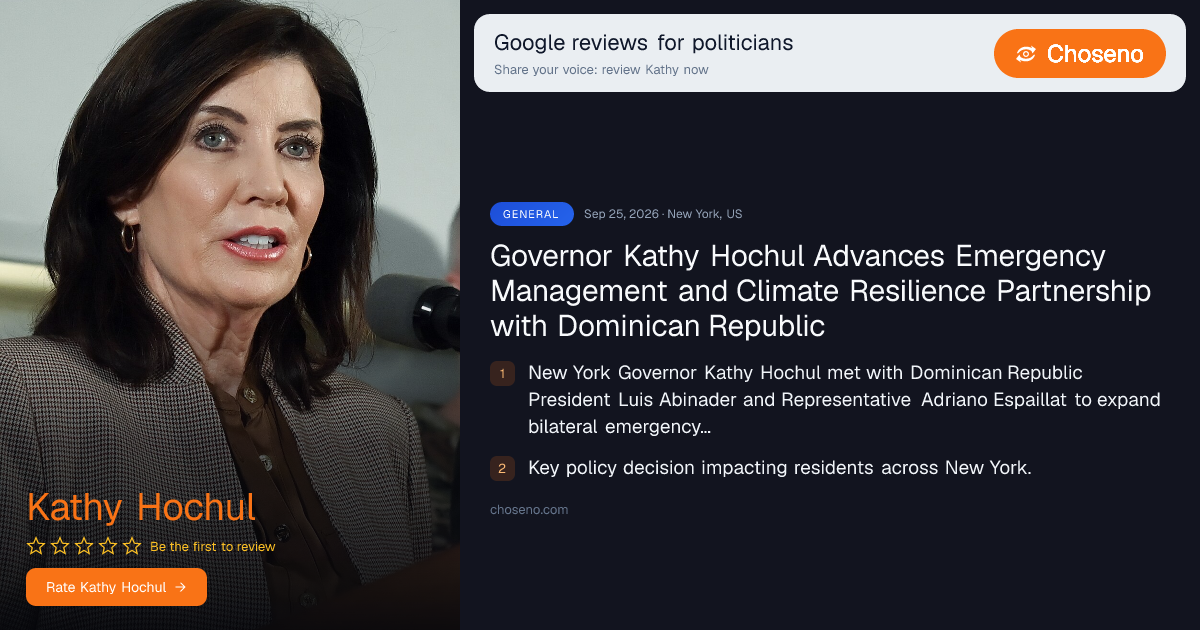
Governor Kathy Hochul Advances Emergency Management and Climate Resilience Partnership with Dominican Republic
New York Governor Kathy Hochul met with Dominican Republic President Luis Abinader and Representative Adriano Espaillat to expand bilateral emergency management cooperation, training exchanges, and environmental resilience.
Read full article