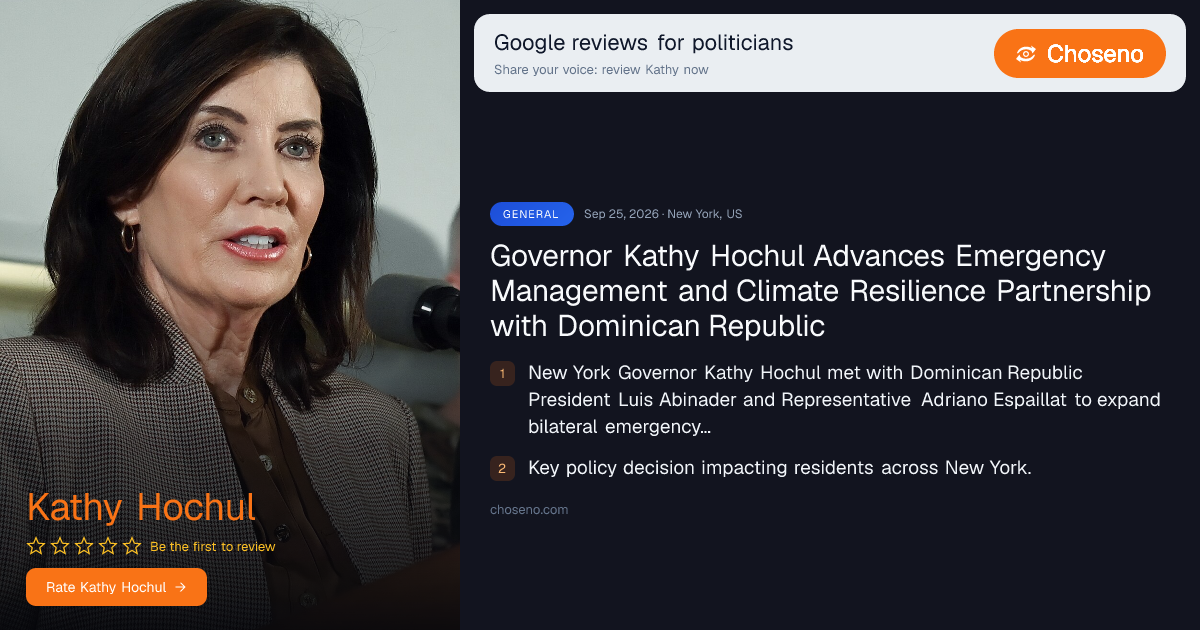
Williams Lake Councillor Michael Moses Launches Re-Election Bid Emphasizing Healthcare Access and Indigenous Partnerships
Williams Lake Councillor Michael Moses launches his re-election campaign, highlighting rural healthcare advocacy, Jubilee Place supportive housing, and First Nations partnerships.
Choseno Civic News Desk September 6, 2026Updated September 7, 2026 3 min read British Columbia, CA
What do you think of the people in this story? Rate them anonymously — tap a face below.
Williams Lake City Councillor Michael Moses has formally declared his candidacy for a second municipal term in British Columbia, filing official nomination documents alongside an administrative platform centered on rural healthcare stabilization, supportive housing expansion, and strengthened intergovernmental partnerships with regional First Nations.
Moses, who secured his initial council mandate in 2022 with broad backing from regional Indigenous leaders, has reaffirmed endorsements from the Williams Lake First Nation, Xatśūll First Nation, and the Tŝilhqot’in National Government. An official ambassador for the Orange Shirt Society whose parents attended the Kamloops Indian Residential School, Moses emphasized that advancing genuine municipal-Indigenous collaboration and mutual economic development remains a foundational priority for Cariboo regional governance.
Reflecting on his initial council term, Moses pointed to sustained intergovernmental lobbying as vital for safeguarding essential community services during provincial budgetary constraints. The councillor highlighted extensive collaborative discussions with senior provincial officials, including former British Columbia Minister of Health Adrian Dix, during persistent staffing shortages that led to repeated temporary closures of the emergency department at Cariboo Memorial Hospital. Moses noted that direct municipal engagement helped focus provincial resources on hospital physician and nursing retention initiatives across rural British Columbia.
Supportive housing infrastructure also represents a major policy milestone for the incumbent councillor. Amid province-wide capital delays and budget revisions by BC Housing, Williams Lake successfully preserved financing for the Jubilee Place redevelopment on Carson Drive, a multi-phase four-storey residential project designed to deliver fifty-one supportive housing units for unhoused and vulnerable individuals. Moses, who concurrently serves as president of the Canadian Mental Health Association Cariboo Chilcotin Branch, stressed that addressing chronic homelessness through coordinated housing and mental health interventions is indispensable for broader community safety and downtown revitalization.
Infrastructure modernization and senior government grant acquisition continue to shape the municipal agenda. Moses noted that Williams Lake has secured multi-million-dollar capital commitments from provincial and federal infrastructure programs to modernize the municipal water treatment facility, while pointing out that securing final funding tranches will require continuous intergovernmental coordination. In the civic safety sector, Moses highlighted his volunteer service with the Williams Lake Citizens On Patrol and his appointment to the local Crime Stoppers board of directors to foster proactive community-led crime prevention throughout local neighborhoods.
Economic transition and climate resilience in the Cariboo region also present urgent policy challenges for municipal leadership. With historical reliance on forestry and natural resource industries experiencing market volatility and timber supply adjustments, Moses underscored the necessity of diversifying the local economic base through sustainable tourism, clean energy partnerships, and regional value-added manufacturing while strengthening community defenses against recurring seasonal wildfire threats.
Looking toward the upcoming Union of British Columbia Municipalities Convention in Vancouver, Moses and municipal colleagues plan to meet directly with provincial cabinet ministers to advocate for equitable rural infrastructure distributions and sustained healthcare operating grants. As the municipal election approaches, voters across Williams Lake will evaluate how council collaborative relationships with senior governments and First Nations governments can navigate economic challenges and deliver lasting community stability across the Cariboo region.
Rate the people mentioned in this article
Related Coverage in General
See all General newsGeneral
US Sep 25, 2026
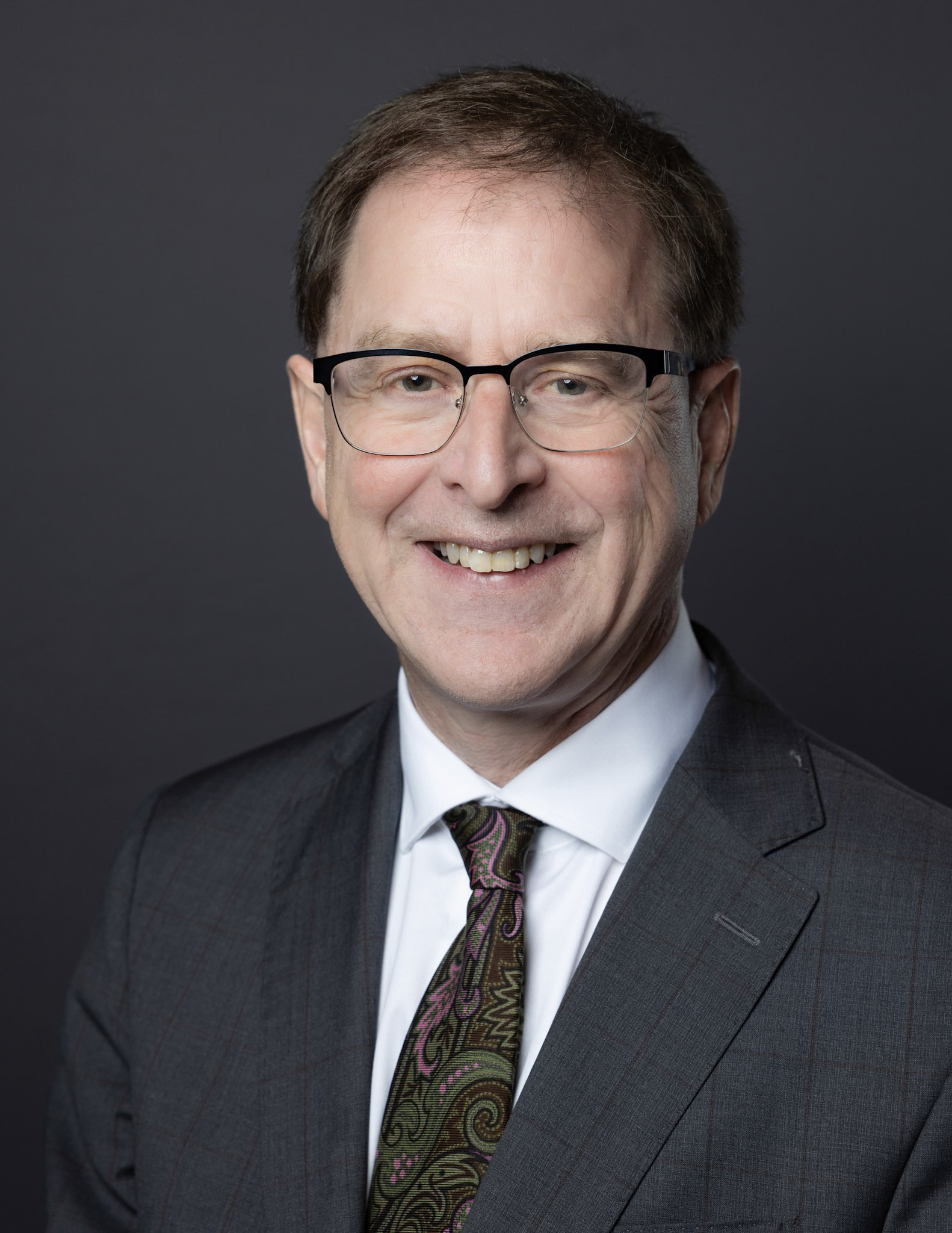
Georgia Gubernatorial Nominees Clash Over Agricultural Relief and Farm Production Safeguards
Candidates seeking to succeed term-limited Governor Brian Kemp outlined comprehensive agricultural blueprints targeting escalating input costs, diesel taxation relief, water allocations, and family farm preservation.
Read full article
General
US Sep 25, 2026
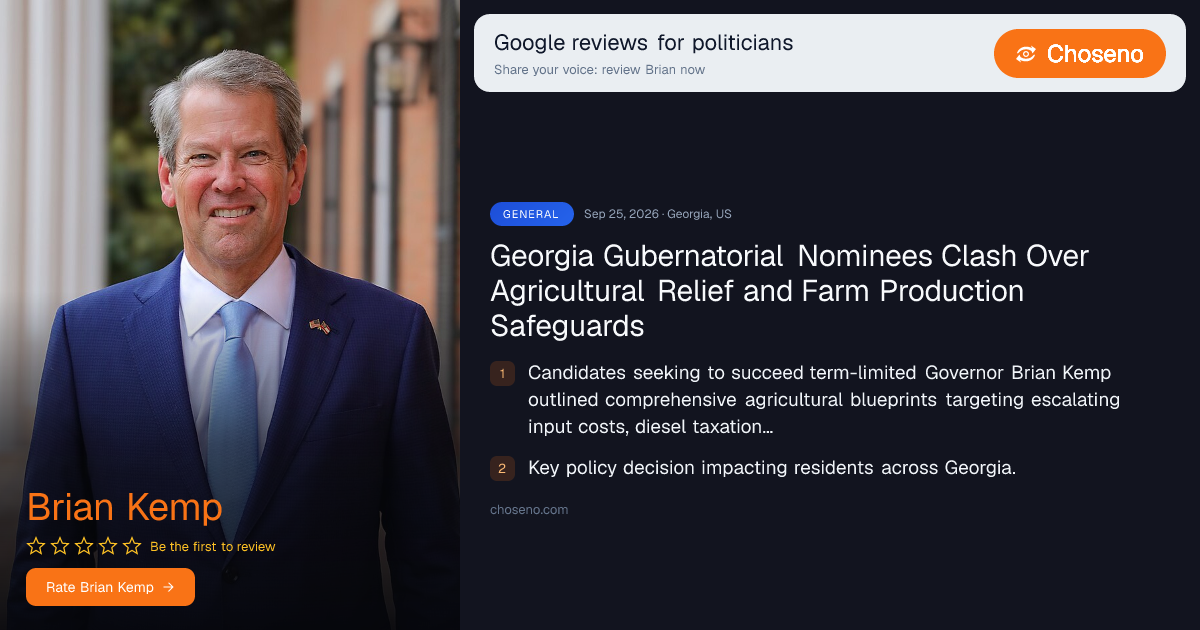
Oregon Gubernatorial Candidates Kotek and Drazan Present Contrasting Economic Platforms in Rematch Forum
Oregon Governor Tina Kotek and Republican challenger Christine Drazan outlined starkly different economic blueprints regarding commercial regulations, tax structures, and industrial competitiveness at a Portland business forum.
Read full article
General
US Sep 25, 2026
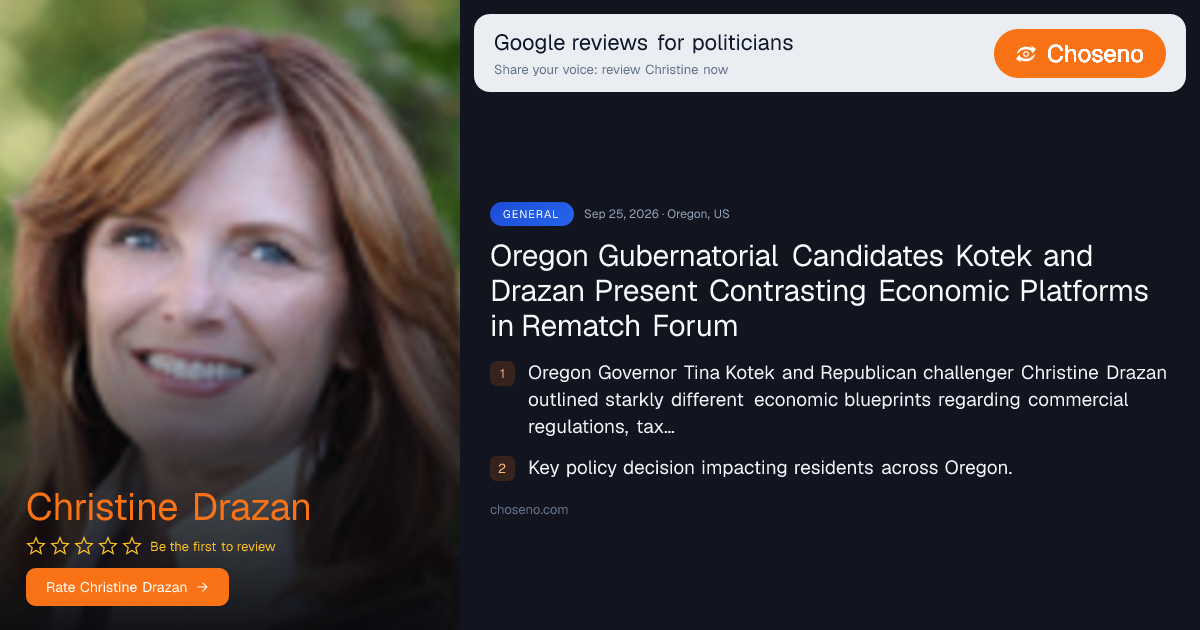
Governor Kathy Hochul Advances Emergency Management and Climate Resilience Partnership with Dominican Republic
New York Governor Kathy Hochul met with Dominican Republic President Luis Abinader and Representative Adriano Espaillat to expand bilateral emergency management cooperation, training exchanges, and environmental resilience.
Read full article