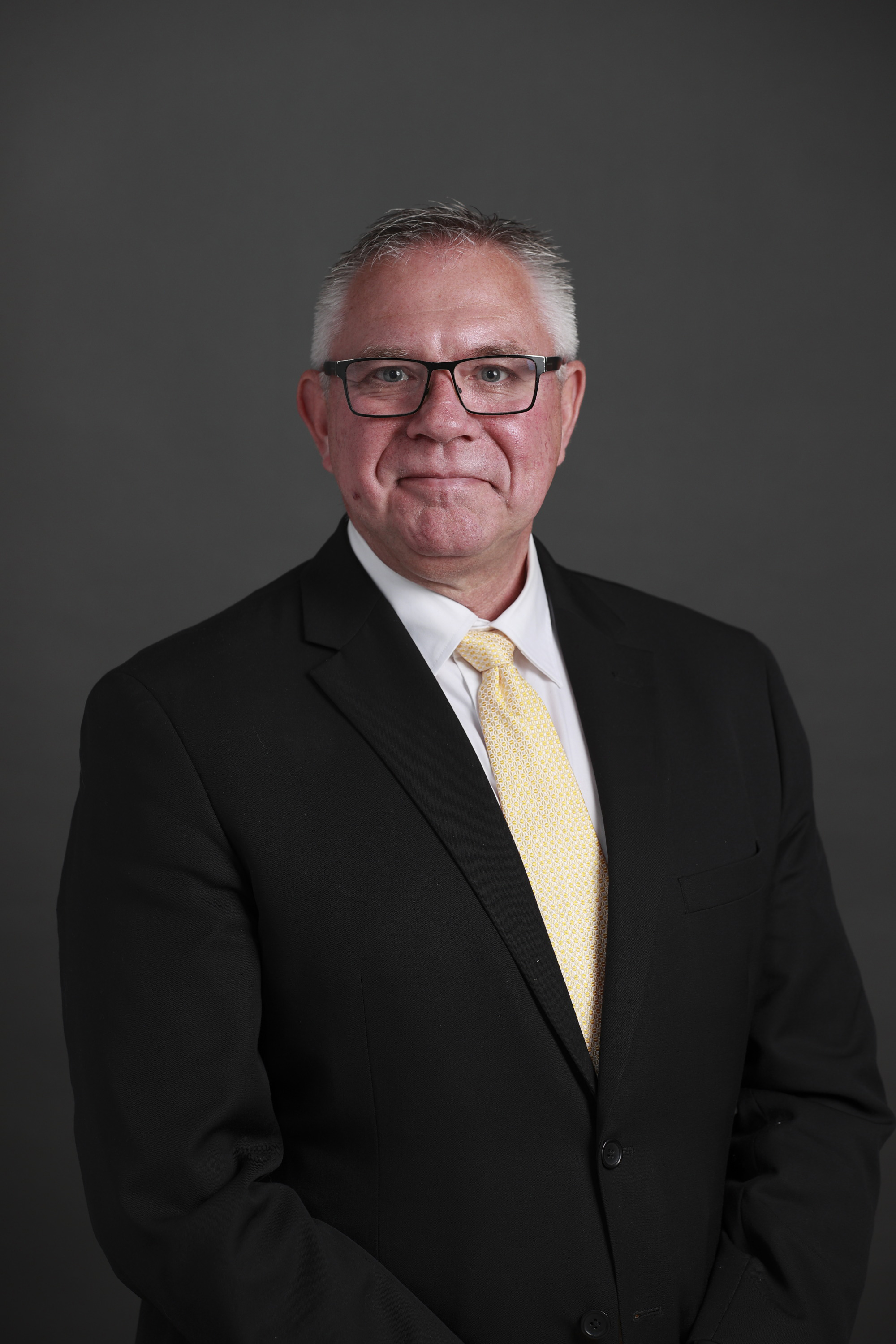
Why People Don't Support Lorne Doerkson in BC's 2026 Snap Election
From the Human Rights Code vote to his interim-leader status and Liberal past: why some B.C. voters say they won't back Conservative leader Lorne Doerkson.
Choseno Civic News Desk October 7, 2026 8 min read BC, CA
Oct. 6, 2026 — Lorne Doerkson is the interim leader of the BC Conservatives, who have been competitive or ahead in polls ahead of the Oct. 24, 2026 provincial election. But public posts on Reddit, X and YouTube show a lot of voters who say they won't back him, and the criticism comes from both the left and the right. Here are the most common reasons.
BC election 2026: key dates
- Election day: Saturday, Oct. 24, 2026
- Advance voting: Oct. 16–21
- Called: Sept. 22, 2026, about two years early
Not sure who is running where you live? Use the find your district tool below to see every race on your ballot and the candidates in it.
1. The Human Rights Code vote, explained
Many voters have heard "Doerkson voted to repeal the Human Rights Code" without knowing what that means. Here is the issue in plain terms.
What the Human Rights Code is. It is the B.C. law that says you can't be treated unfairly because of who you are: your race, religion, sex, disability, age, sexual orientation, gender identity and other protected grounds. It applies to everyday situations such as getting hired, being paid, renting a home, or being served at a store or school. If you believe you were discriminated against, you can file a complaint with the B.C. Human Rights Tribunal, which hears these cases. The Code also created the province's Human Rights Commissioner.
What the bill proposed. On Feb. 26, 2026, MLA Tara Armstrong, who sits as an independent, introduced the Human Rights Code Repeal Act. According to coverage of the bill, it would have repealed the Code, abolished the Tribunal and the Commissioner, and wiped out earlier Tribunal rulings. The coverage we found did not describe any replacement law.
Why she brought it. Armstrong framed it as a defence of freedom of expression. The context was a February 2026 Tribunal ruling against Barry Neufeld, a former Chilliwack school trustee. The Tribunal found that his years-long public campaign against sexual orientation and gender identity (SOGI) school resources broke the Code, including its rules on employment discrimination, discriminatory publications and hate speech, and ordered him to pay $750,000 to a teachers' association. Neufeld's lawyer said he would seek a judicial review.
Why it caused an uproar. Opponents said repealing the Code would leave people with no legal route to challenge, for example, a landlord who refuses to rent to someone because of their race or disability, or an employer who pays a woman less than a man for the same job. Jobs Minister Ravi Kahlon said the Conservatives "voted to legalize discrimination," and 17 pride societies and organizations signed a letter condemning the bill.
What happened. The bill failed at first reading on Feb. 26 by a vote of 50 to 37. The 37 yes votes were all 34 Conservative MLAs, plus independents Dallas Brodie and Jordan Kealy, and Armstrong herself. First reading is normally a formality, a first look before any debate, which is why the vote itself was unusual and why the Conservatives say it should not be read as an endorsement.
Where Doerkson fits. He was one of the 34 Conservatives who voted yes. He says that was a procedural vote: "My vote for this bill, at first reading, is not an indication of me supporting its content at all," and the bill "never would have come forward for debate." Critics answer that the whole caucus backing even a first reading of a bill to scrap the Code says something about the party he leads, and that voters should ask whether a Conservative government would bring anything similar back. Doerkson's defenders say it is being blown out of proportion. The Conservatives have not proposed repealing the Code in their campaign.
2. Candidates and the "extremist" question
Critics say Doerkson has not purged the party's right flank. The NDP called on him to drop two incumbents running again as Conservatives: Heather Maahs in Chilliwack North, over a 2022 podcast in which she called the SOGI curriculum a "monster" and said of school library books, "it's for sure grooming," and Anna Kindy in North Island, over 2022 remarks about COVID-19 vaccines. Both remain Conservative candidates. A Conservative candidate responded by pointing to the NDP's record rather than addressing the remarks, and we found no direct statement from Doerkson on whether they should be dropped. For critics, the controversy shows the party hasn't moderated since Kerry-Lynne Findlay.
3. Interim leader, unknown quantity
A large share of posts focus on the fact that Doerkson is an interim leader. Critics argue:
- Under the party's constitution an interim leader cannot run for permanent leader. The board says it will pursue an amendment, which needs a two-thirds vote at a general meeting, and the NDP calls that a gamble. Some commenters speculate about legal challenges.
- Voters may be electing a placeholder who is replaced later.
- He has little name recognition and the party has released little detail beyond a "no new taxes" pledge.
Supporters dispute this (see why people support Doerkson); the constitutional question has not been tested.
4. "Fake Conservative" or "Christy Clark Liberal"
Doerkson was elected as a BC Liberal in 2020, sat as part of BC United, and crossed the floor to the Conservatives in 2024. He is criticized from both flanks at once. From the left, commenters warn a Conservative government would bring Liberal-era cuts. From the right and from OneBC supporters, he is a "leftist Liberal" or "rebadged Liberal" who distanced himself from some candidates and isn't conservative enough.
5. MAGA, culture-war and social-policy fears
Left-leaning critics say a Conservative government would be influenced by "MAGA-style" politics, pointing to his reported statement that SOGI 123 school resources should be repealed and to the party's call to repeal DRIPA. From the other side, some voters say he isn't hard-right enough on those same issues.
6. ICBC and public services
Critics fear privatized or more expensive auto insurance and cuts to public services. They cite Doerkson's comment that there have been "challenges with no-fault insurance" and the party's 2024 pledge to end ICBC's monopoly. The party had not released an insurance policy at the time of writing.
7. Conservatives angry about how Findlay was removed
Some conservative voters say they won't vote for the party because Findlay was chosen by members while Doerkson was not, and they don't want to reward the leadership turmoil.
Who these critics appear to be
Progressive Reddit regulars, LGBTQ and equity-minded voters, NDP-leaning voters who dislike Eby but see the Conservatives as worse, ICBC defenders, and hard-right voters on X and YouTube.
A note on "voting Conservative only to stop Eby"
A frequent warning from opponents is that anger at Eby shouldn't lead to "teaching him a lesson" by voting for a party whose positions you don't support.
How we gathered this
This is a qualitative read of public posts, not a poll. Choseno reviewed public comments on Reddit (r/britishcolumbia, r/vancouver, r/BCpolitics, r/VictoriaBC and others), X and YouTube from late September to Oct. 6, 2026, and grouped the recurring arguments. Online commenters skew louder and more partisan than the average voter, and Reddit leans younger and more urban.
Where a claim is a checkable fact (a date, a vote, a tax rate, a budget figure), Choseno checked it against news reports and official sources, which are linked in the sources list. Claims we could not confirm were left out. Opinions are attributed to commenters, not presented as fact.
Frequently asked questions
Why don't people support Lorne Doerkson?
Common reasons: his first-reading vote on the Human Rights Code repeal bill, controversial candidates, his interim-leader status, his past with the BC Liberals, and fears about ICBC and social policy. Some on the right say he isn't conservative enough.
Is Lorne Doerkson the permanent BC Conservative leader?
No. He became interim leader on Sept. 20, 2026. Critics question what happens after the election; the party says it will amend its constitution, and supporters say he would stay premier if he keeps the legislature's confidence.
What did Doerkson vote on the Human Rights Code?
He voted yes on first reading of a February 2026 bill to repeal the code, which failed 50–37. He says it was a routine procedural vote and not support for the bill's content.
When is the BC election?
Saturday, Oct. 24, 2026. Advance voting runs Oct. 16–21.
Have your say
Vote in the polls above, then rate and review Lorne Doerkson on his Choseno wall.
More BC election 2026 coverage
- BC snap election 2026: why an informed vote matters
- BC election 2026: where each party stands
- Why people support David Eby
- Why people don't support David Eby
- Why people support Lorne Doerkson
- Why people don't support Lorne Doerkson
Sources
- Choseno — BC election 2026: where each party stands
- Elections BC
- CTV News: What's next in B.C. politics after the Conservative leader's resignation
- Castanet: Bill to repeal B.C. Human Rights Code voted down
- Langley Advance Times: Vote on bill to repeal B.C. Human Rights Code explained
- CP24: Ex-B.C. school trustee to fight $750,000 penalty
- Williams Lake Tribune: Doerkson responds to Human Rights Code controversy
- Today in BC: NDP calls for Conservatives to drop Chilliwack candidate
- CP24: Former candidate asks B.C. Conservatives to plug noses
- CTV News: Doerkson joins the B.C. Conservatives (2024)
- Global News: B.C. Conservatives promise to end ICBC monopoly (2024)
Which of these candidates will be on your ballot?
Find your district to see every race you can vote in, from mayor to MLA, and the candidates running in it.
Rate the people mentioned in this article
Related Coverage in Elections
See all Elections newsElections
CA Oct 9, 2026
BC Election 2026: The Most-Discussed Issues This Week
ICBC, the Conservative $1,000 tax cut, the NDP top-earner tax and a dropped candidate dominated the BC election conversation this week. Here is what each fight is about.
Read full article
Elections
CA Oct 6, 2026
BC Provincial Snap Election 2026: Why an Informed Vote Matters
B.C. votes Oct. 24 in a snap election. Why choosing carefully matters in a democracy, and where to find each party's positions and what voters say on both sides.
Read full article
Elections
CA Oct 6, 2026
Why People Support David Eby in the 2026 BC Snap Election
What voters say they like about Premier David Eby and the BC NDP ahead of Oct. 24: housing, health care, cost of living and keeping the Conservatives out.
Read full article